

Breguet: A New Tradition
Collector interest has been steadily building in a Breguet watch from the early 2000s. Should we reappraise its importance?

Breguet had a good 2025.
The maison celebrated its 250th anniversary and launched a number of watches to commemorate the occasion, among which there were more hits than misses.
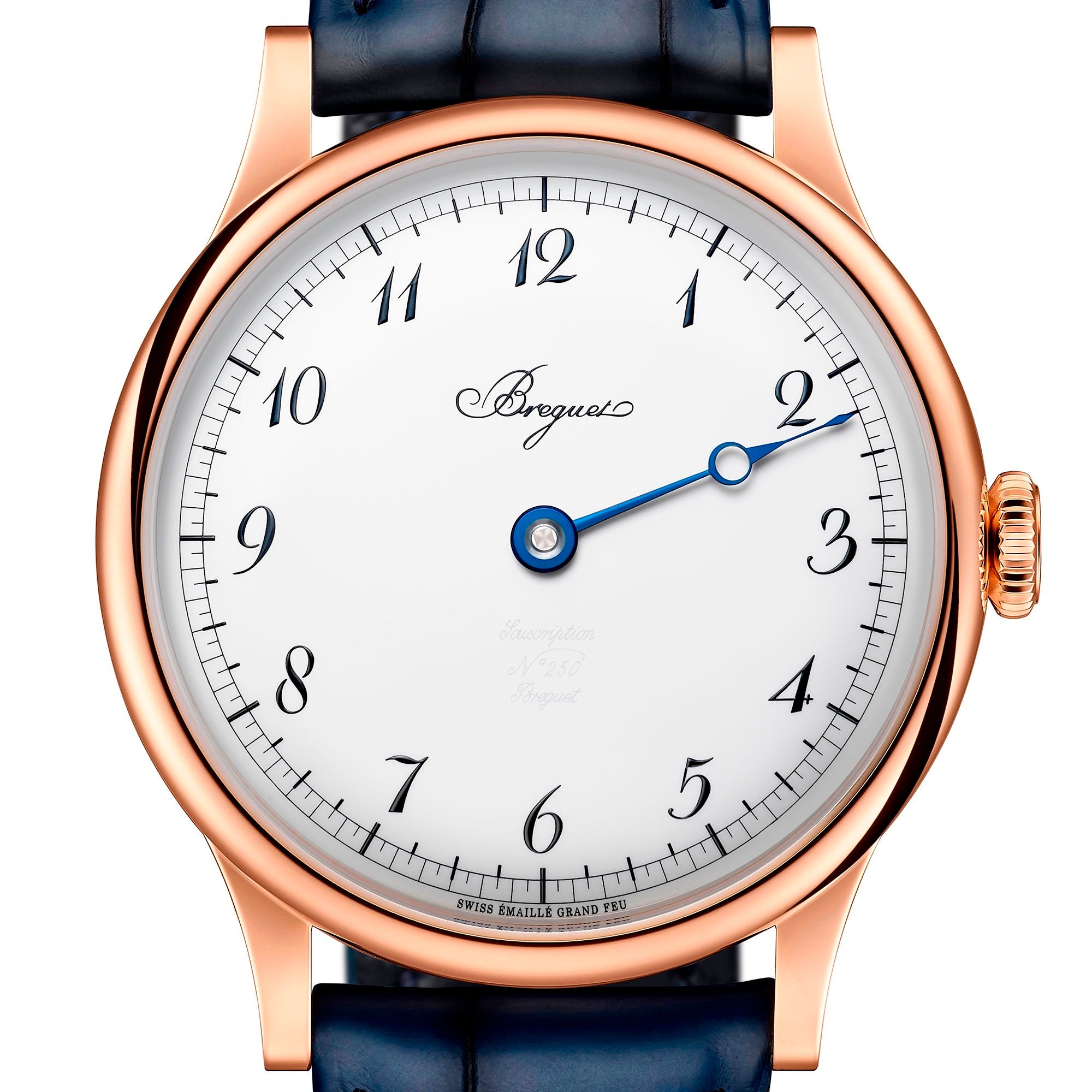
It closed out the year with the Classique Souscription 2025 winning the Grand Prix d’Aiguille d’Or at the GPHG awards and the Expérimentale No. 1 being lauded as the kind of technical innovation that Abraham-Louis Breguet would himself be making were he alive today.
Breguet is back, they say.
Because they had been saying for years that Breguet had gone awry.
The prevailing sentiment was that Breguet’s neo-classical stylings were failing to connect with customers at scale and that it had no real sports watch – no Nautilus, no Overseas – to carry them through unscathed as tastes modulated. Breguet was your grandfather’s watch.
But that sentiment fails to recognize a reappraisal of neovintage Breguet by collectors that’s been happening recently – which may also be contributing to the sense that Breguet is “back”. And these watches from the 80s, 90s and early 2000s tend to be even more classically-styled than their more modern counterparts.
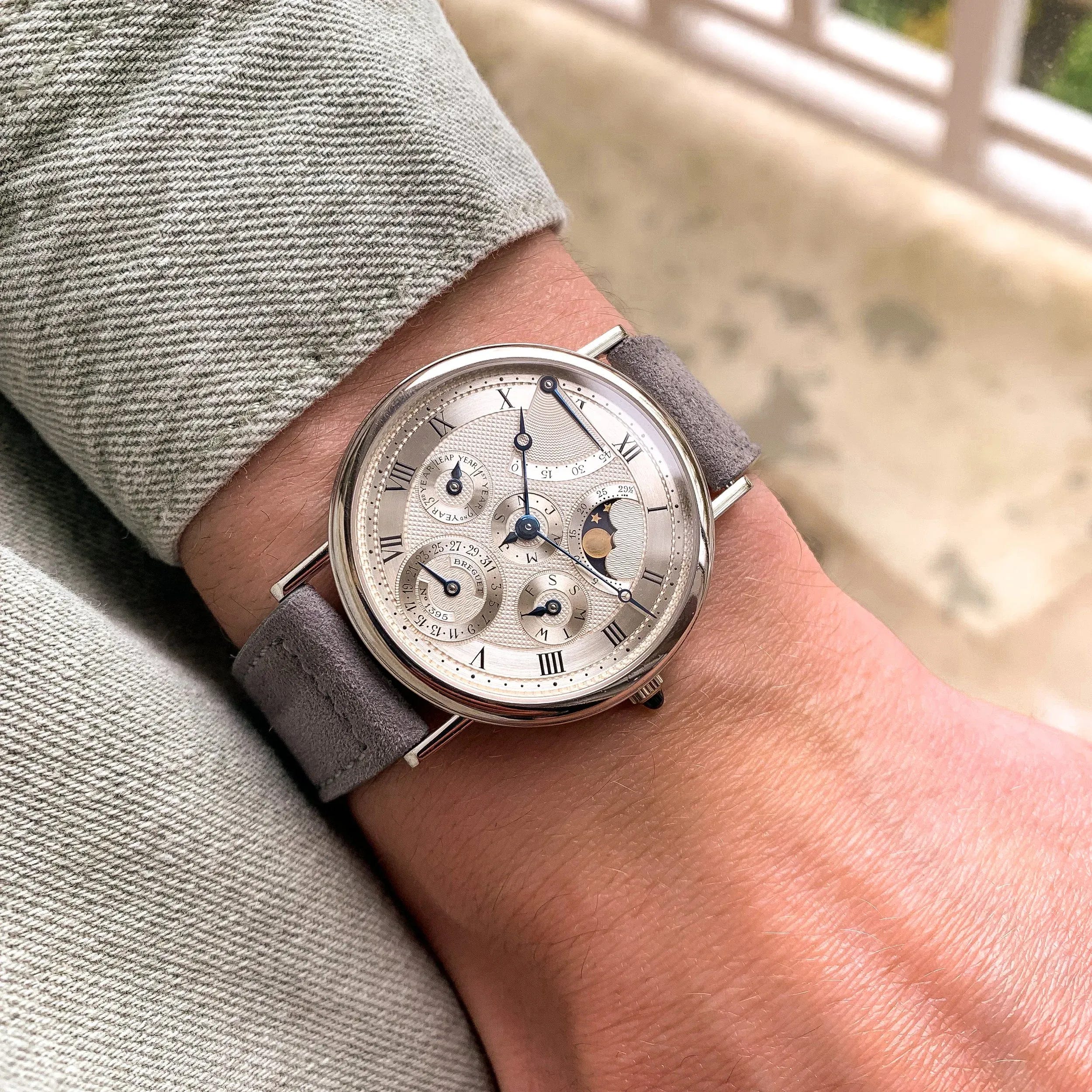
There is one Breguet watch that appeared right at the end of that neovintage era that was, however, applauded on its release for mixing neo-classical aesthetics with an avant garde approach – a winning formula Breguet has struggled to replicate over the intervening years.
It’s a watch for which enthusiasm has been steadily building in some corners of the collector community, particularly for the earlier references.
That watch is the Tradition.
It quietly celebrated its own 20-year anniversary last year. And its launch in 2005 might just be more important than people give it credit for.
The Road to Tradition
Abraham Louis Breguet is one of the most important watchmakers ever. Possibly the most important single figure in watchmaking history.
The rich history of the man and his watchmaking company is well-documented across many books and articles. Read those. My intention is not to recount that full history.
Instead, I’m going to focus on an era of Breguet that led to the launch of the first Tradition watch, the Classique La Tradition ref. 7027 in 2005, to build a picture of how it came to be.
The 1970s to the early 2000s was a period where many Swiss watch companies changed hands as the industry navigated the double whammy of miniaturised quartz technology and a significant weakening of the US dollar.
Breguet did not escape the turmoil. But its changes in ownership steered the company in a direction that has come to define it.
The Chaumet-Roth Reset
Mid-century Breguet looked quite different to the Breguet of today.
The company was owned by the Brown family who had been handed the reins by Breguet’s descendants in 1870.
Its wristwatches in the 50s and 60s were mainly military in both purpose and aesthetic, and typically featured third party Swiss made movements from the likes of Lemania and Valjoux. The Type XX (or Type 20), remains in the Breguet catalogue today – and feels like an outlier amidst the rest of the modern collections.
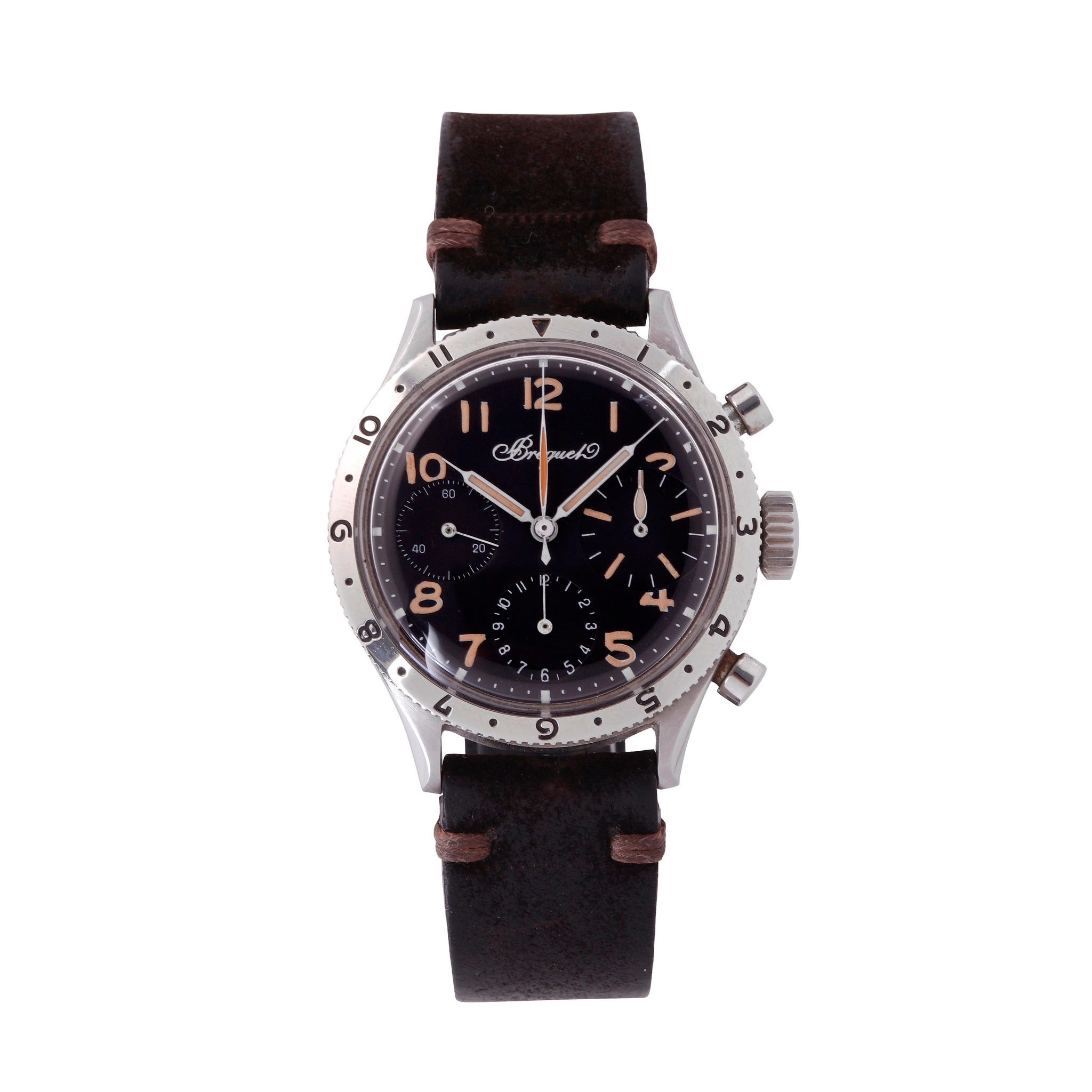
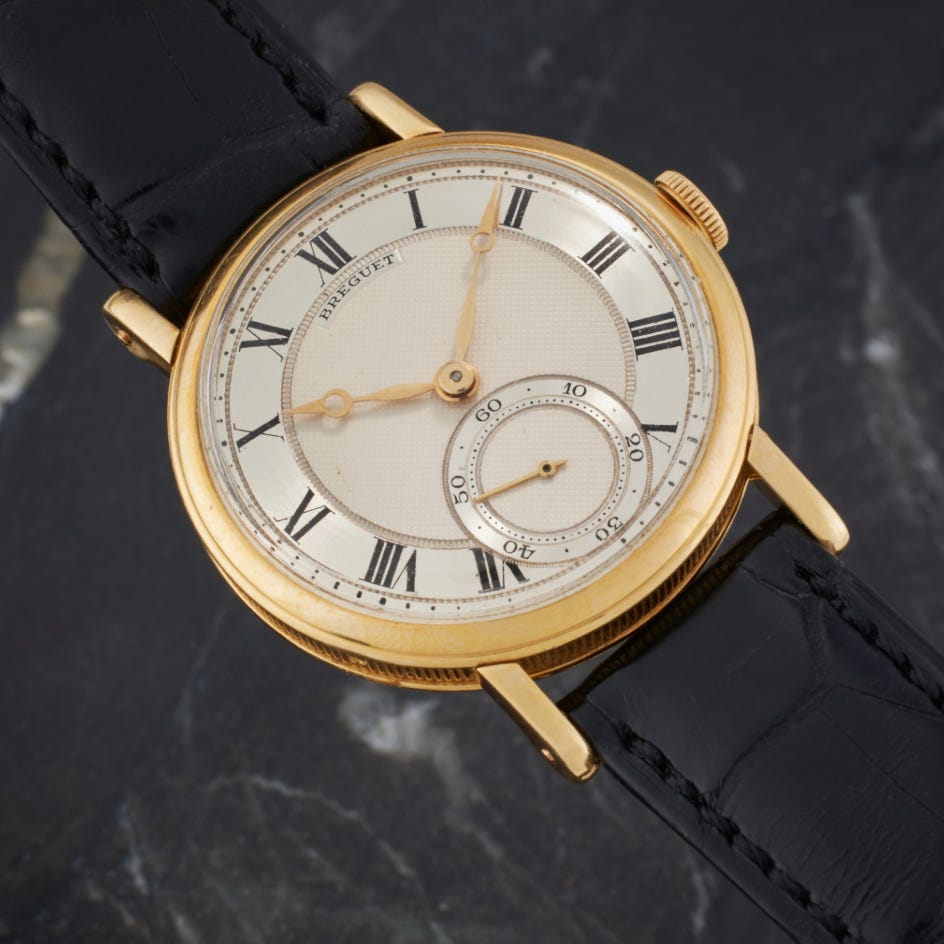
Dressier watches with a more familiar Breguet style, such as the Empire, were part of the catalogue but production numbers were very low by all accounts – and much of this output appears to have been bespoke and by request only.
In 1970, the Browns sold Breguet to Parisian jewellers Chaumet.
Brothers Pierre and Jacques Chaumet hired well for their new acquisition. They recruited the legendary Daniel Roth from Audemars Piguet in 1976 and moved their watchmaking operations from Paris to the cradle of Swiss horology, the Vallée de Joux.
Roth studied the works of the company’s legendary founder and set about translating Breguet’s approach to pocket watches into wrist watches, shaping the brand we know today.
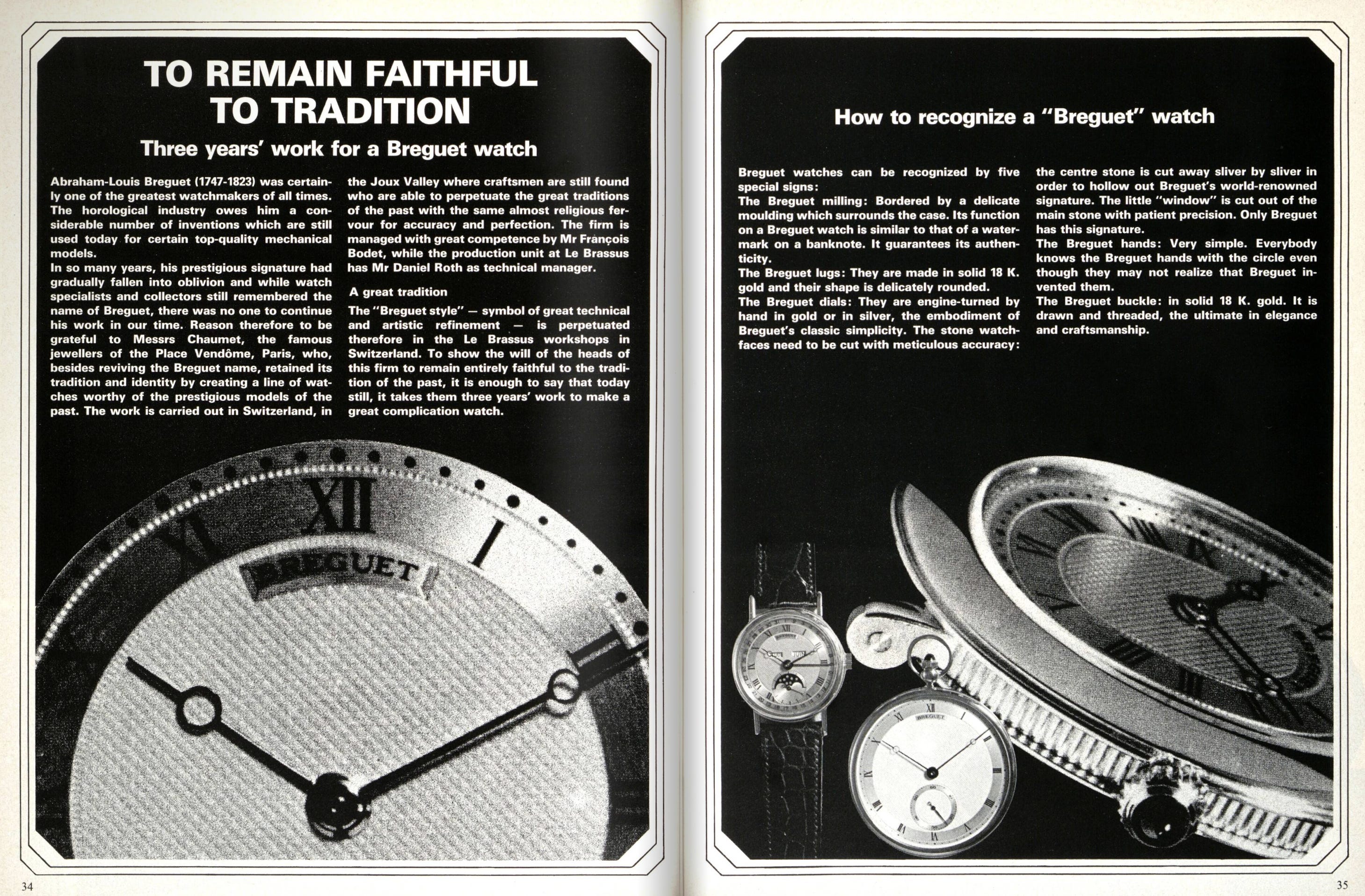
The aesthetic elements that we now recognise as distinctively Breguet – coin-edge mid cases, straight soldered lugs, hand-turned guilloche, “Breguet” hands – are foundations that Roth established during this period.
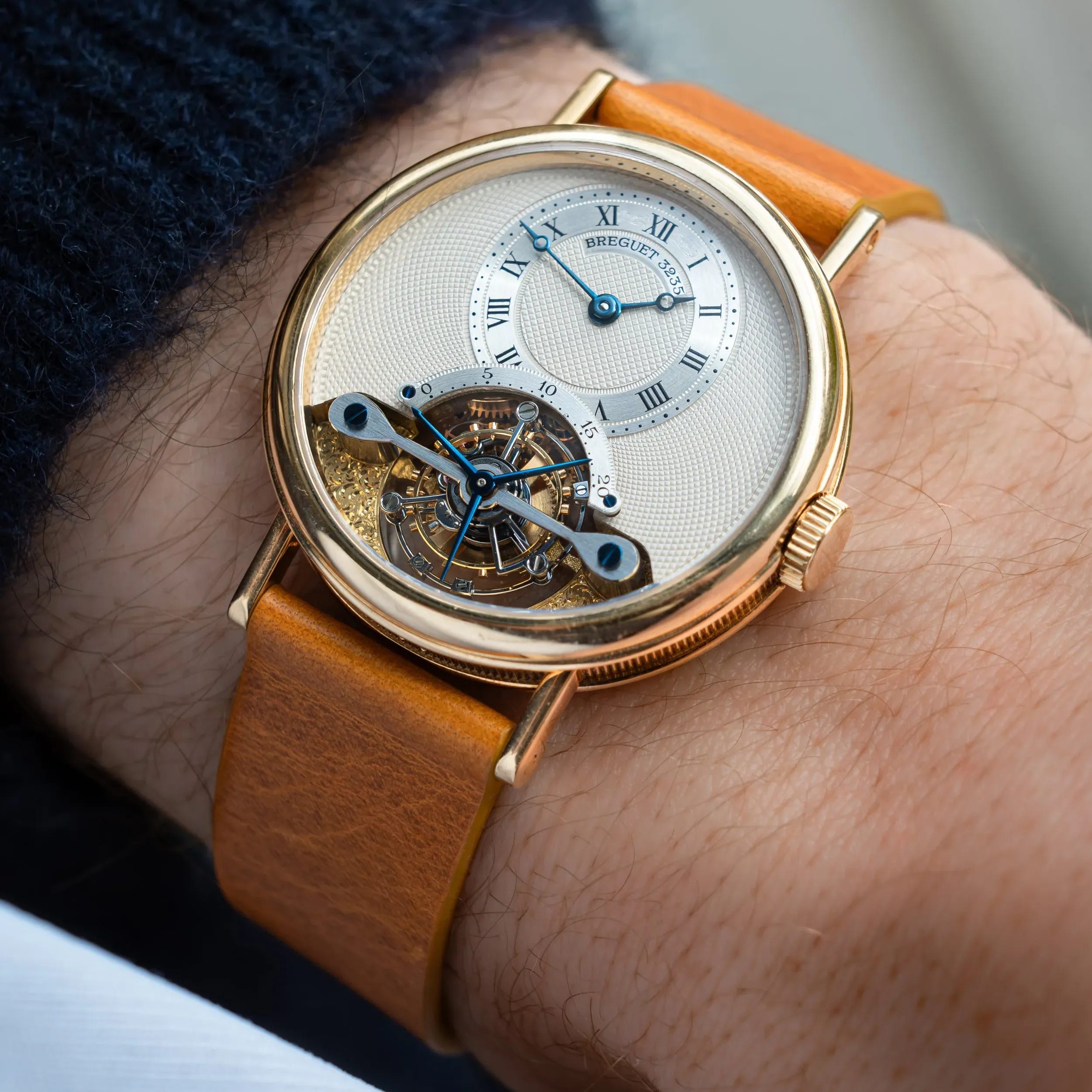
Roth continued to work with third-party movement makers, most notably with Lemania on developing a tourbillon movement – a technology that Abraham-Louis Breguet himself of course introduced to the world.
Russell Sheldrake’s excellent 2022 interview with Roth for A Collected Man reveals the extent of the collaboration with Lemania, particularly on refining the caliber 558 which featured in the iconic 3350 reference – the second ever tourbillon wristwatch to be produced after Audemars Piguet’s 25643 “Sun-Ray.”
Roth’s methodology of reinventing Breguet’s past for the wristwatch era ultimately paved the way for the Tradition to come to be.
But Roth left well before the Tradition came along – and Breguet’s ownership changed twice more before it did.
Investcorp Investment
While the Chaumet brothers may have made a smart decision in bringing in Daniel Roth to oversee Breguet watchmaking, some of their other business choices left a little to be desired.
The collapse of the diamond market in the 1980s led to severe financial and legal troubles for the Chaumet brothers.
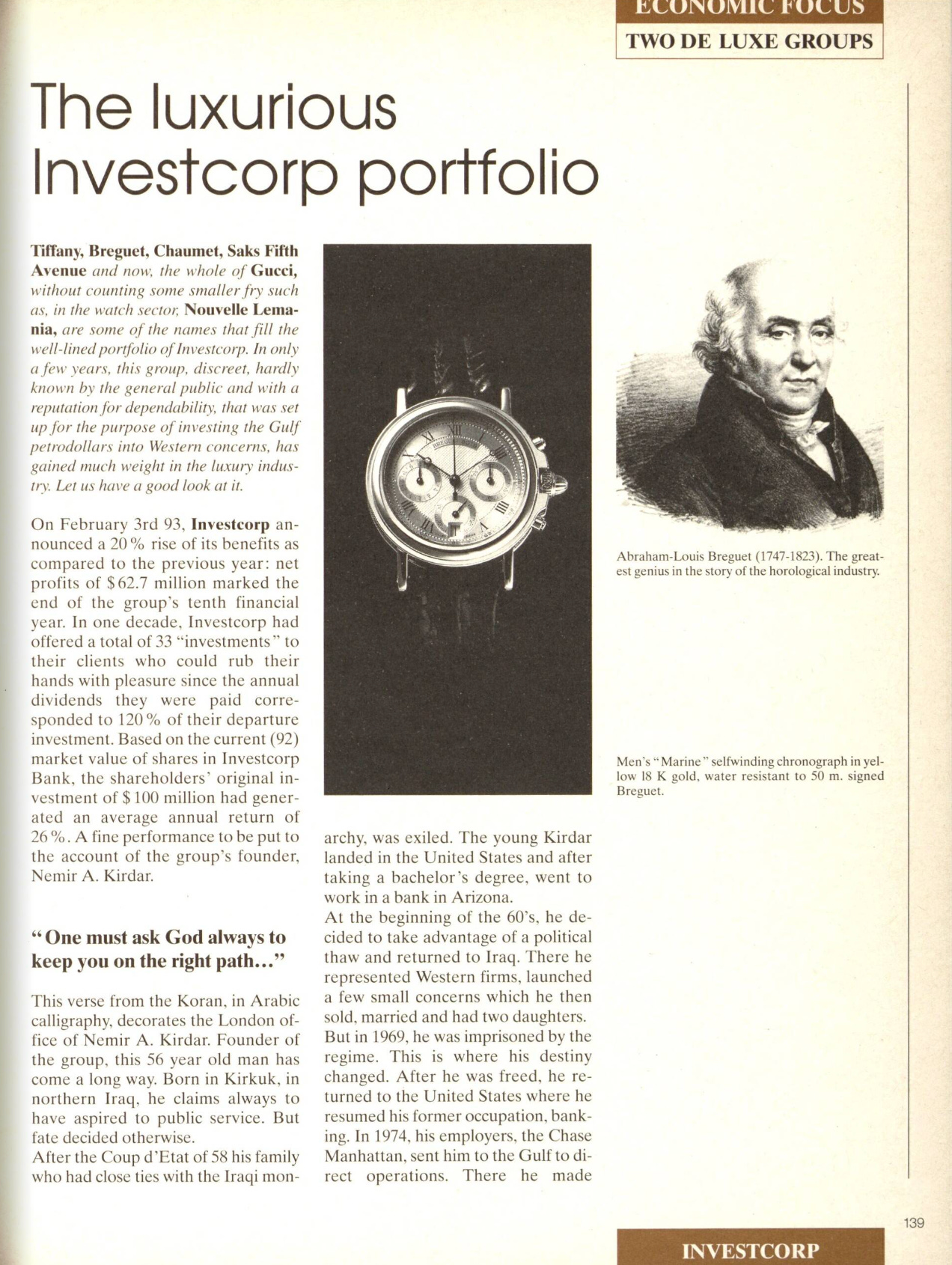
In the summer of 1987, Chaumet was purchased by Investcorp, a private equity company that had acquired Tiffany & Co a few years earlier. Breguet was included in the deal.
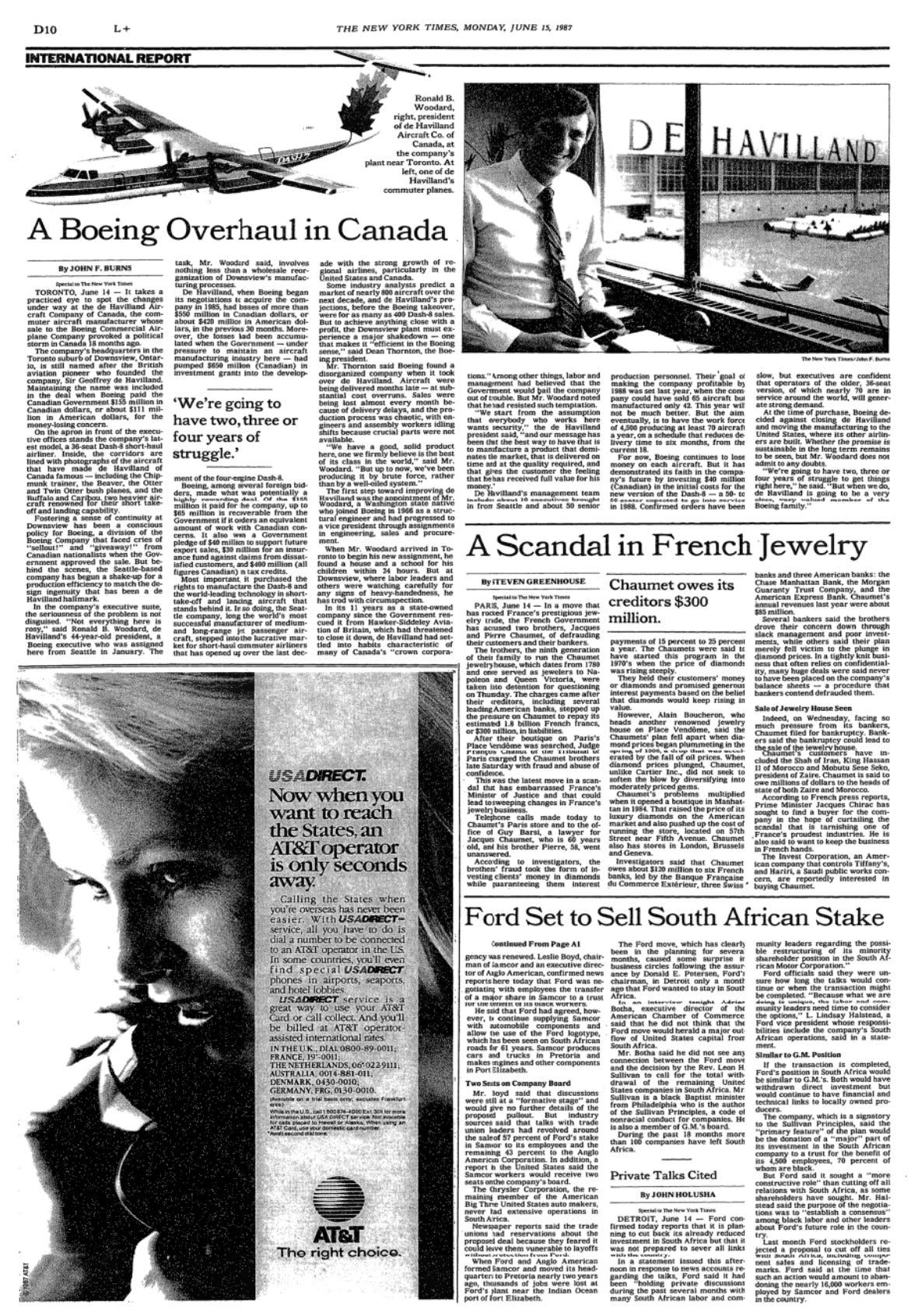
Roth used the change in ownership as the impetus to break out and start his own eponymous brand.
Even though it appears likely that Investcorp was mainly interested in acquiring Chaumet’s jewelry business and Breguet just happened to come along with it, the private equity firm did appear to realise that having superstar watchmaking talent involved was important strategically for the brand.
Michael Parmigiani was commissioned to develop movements for Breguet before he too founded his own brand in 1996.
Jorg Hysek, designer of Vacheron Constantin’s 222, was enlisted to come up with a sportier model, resulting in the launch of the Breguet Marine in 1990.
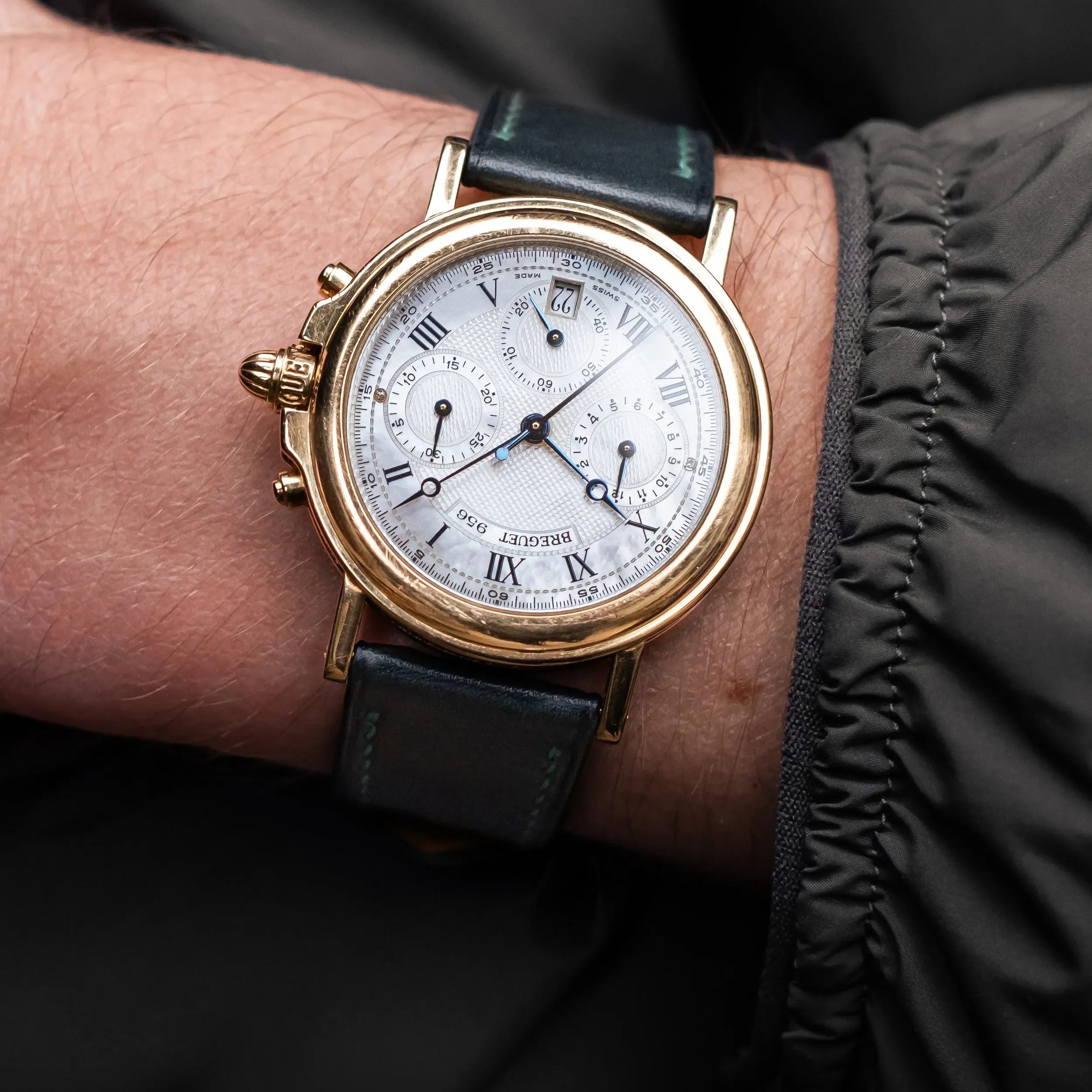
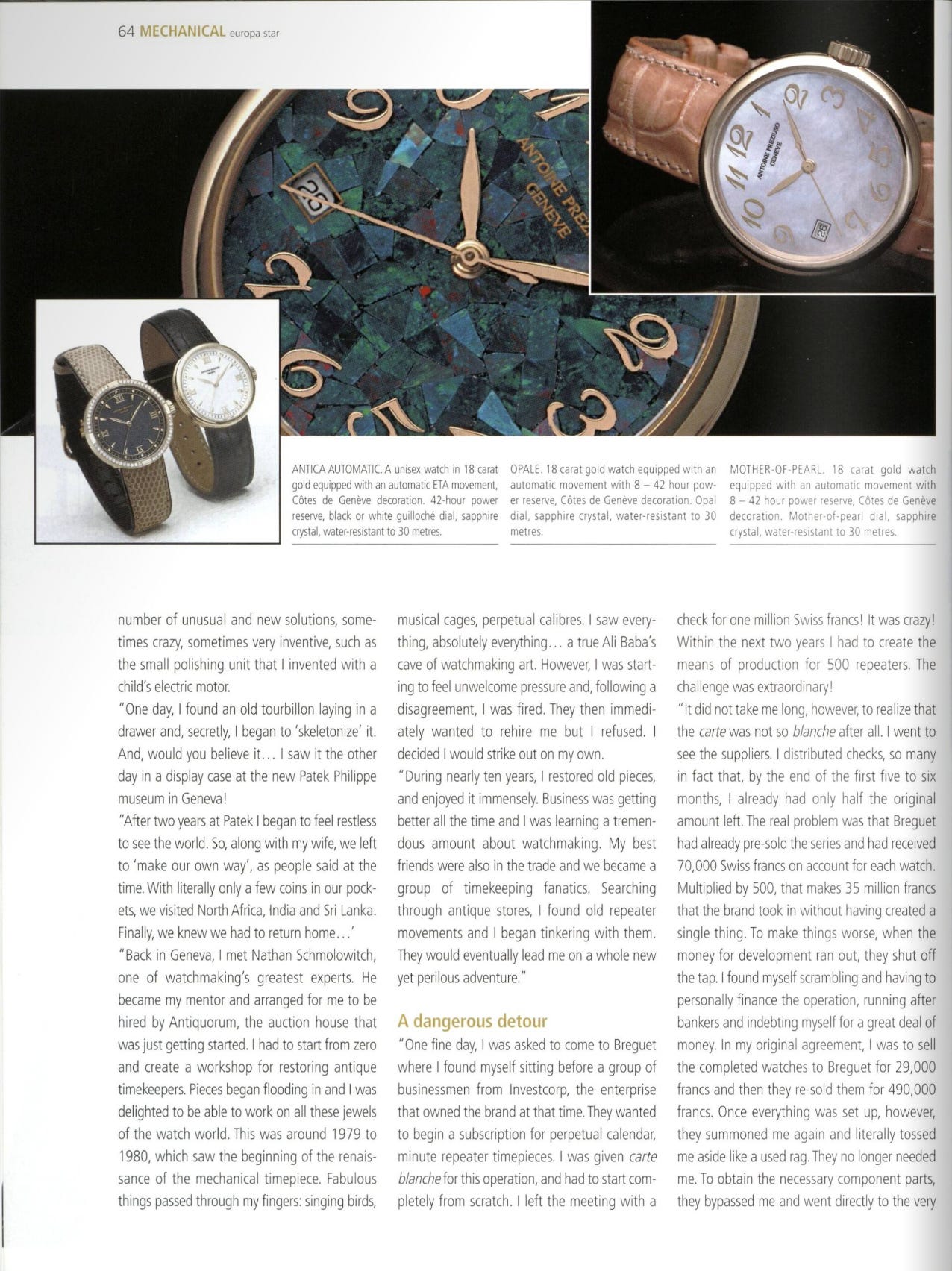
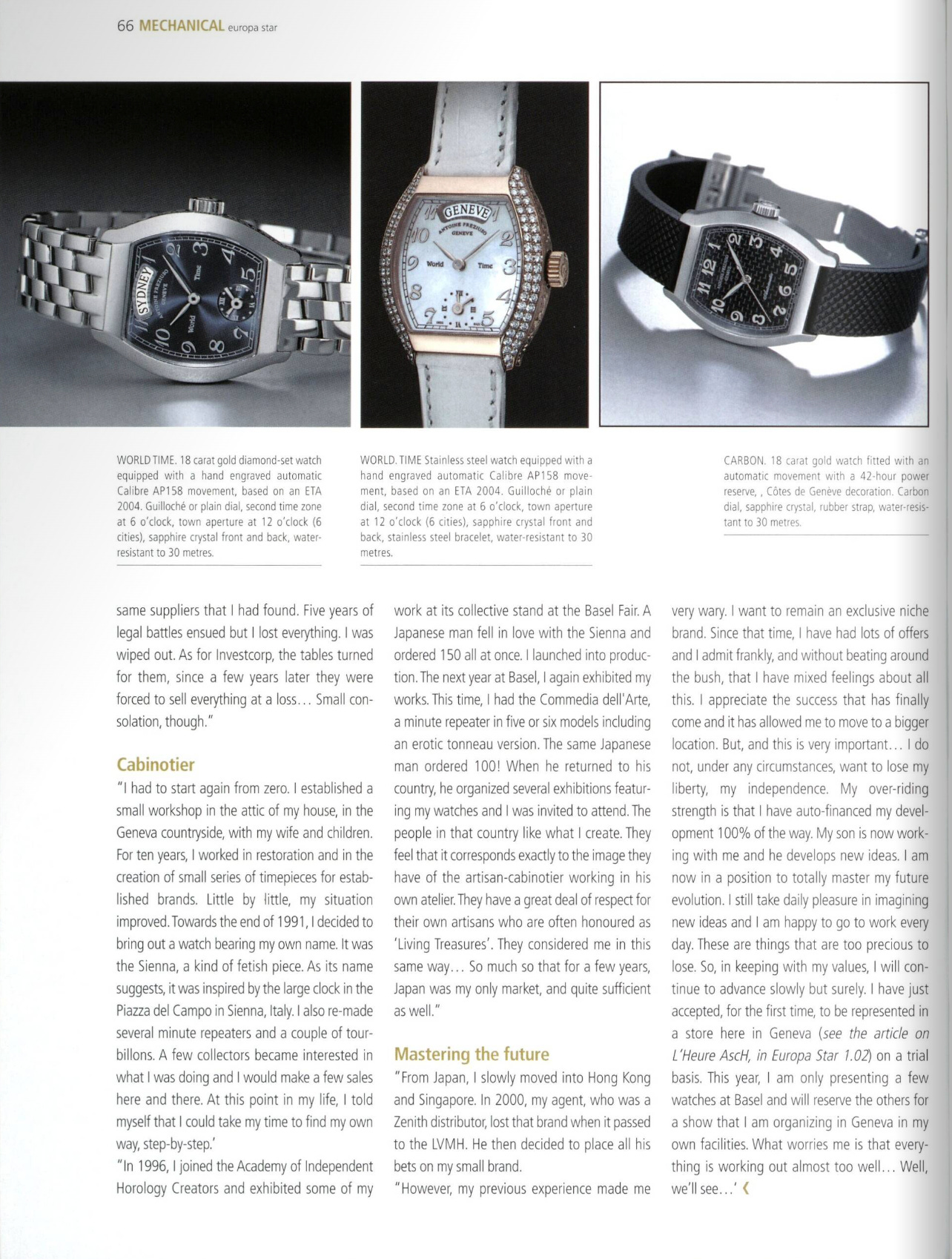
Then there is the slightly bizarre story that Antoine Preziuso tells where “a group of businessmen from Investcorp” asked him to develop subscription-based perpetual calendar minute repeaters – an endeavor that Preziuso suggests financially ruined him.
In the early 90s, Investcorp effectively decided to bring everything in-house by taking a majority stake in Lemania – who were already manufacturing Breguet movements – and acquiring component manufacturer Valdar, combining them together with Breguet to form “Groupe Horloger Breguet”.
My previous article detailed how instrumental Lemania was in the deal that led to Piaget buying Heuer.
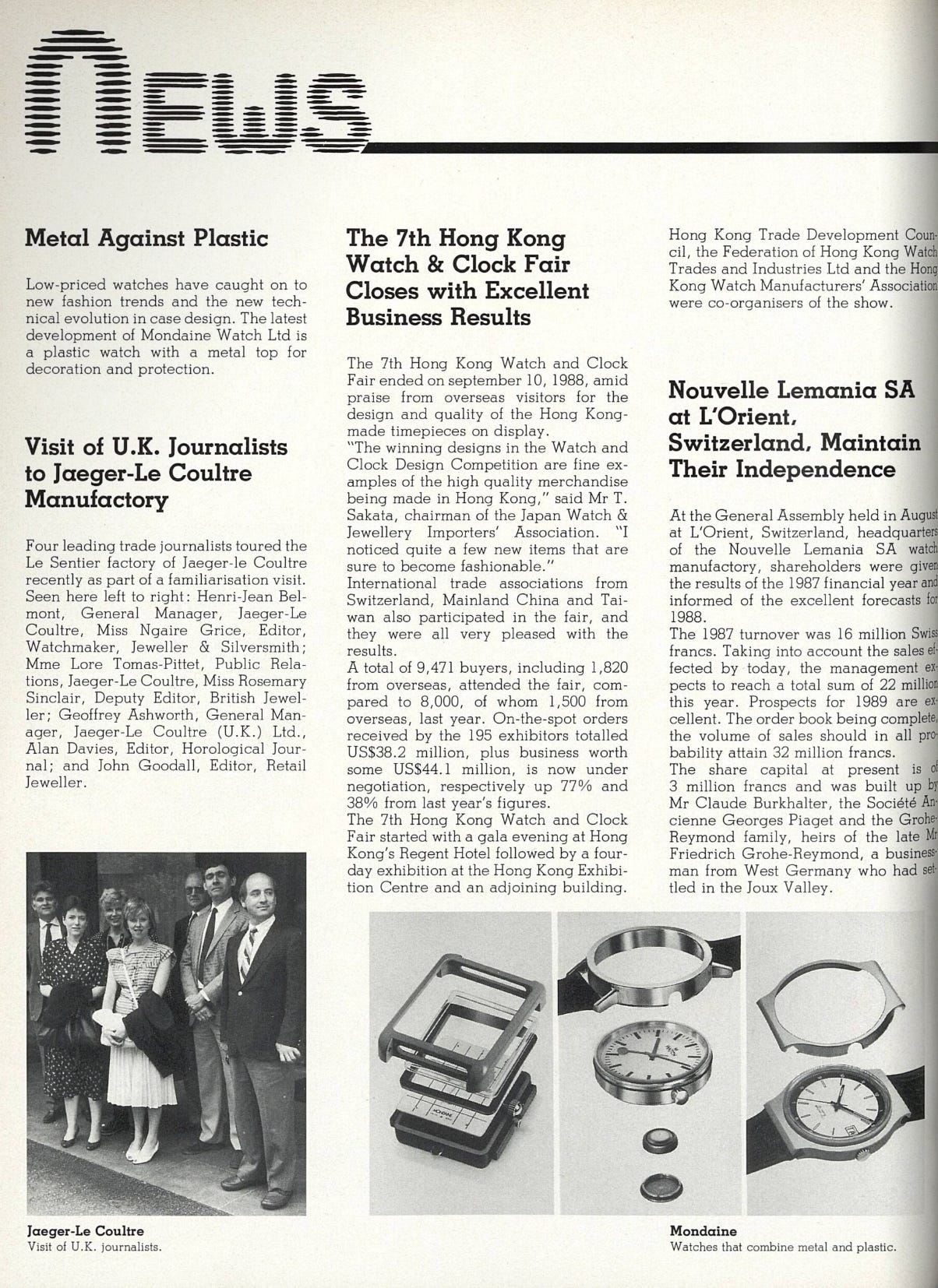
When TAG came in for Heuer, the Piaget-backed shareholders retained control of Nouvelle Lemania and operated it independently. It was from this group that Investcorp effectively purchased Lemania – chairman and managing director Claude Burkhalter remained on the Lemania board for a while after the Investcorp acquisition.
So what was Investcorp trying to achieve with Breguet and why does it matter for the watch this article is about, the Tradition?
Well, Investcorp is a private equity firm so most of what they were doing should be viewed through the lens of a “fix and flip” playbook. “Flipping” here usually means either floating on the stock market or selling outright to another company.
Given Chaumet’s troubles, you would imagine Investcorp got a good deal when they acquired the company. From there they looked to add value to Breguet. They made add-on acquisitions that improved operations, including better cost controls and therefore more control over pricing.
One of those add-on acquisitions just happened to be Lemania, the manufacturer that eventually became the Breguet Manufacture and the developer of the Tradition. A development that Investcorp would not be around to oversee.
As early as 1992, shortly after taking control of Lemania, Investcorp were seeking a return on their investment and toyed with the idea of floating Groupe Horloger Breguet on the stock market, just as they had done with Tiffany & Co.
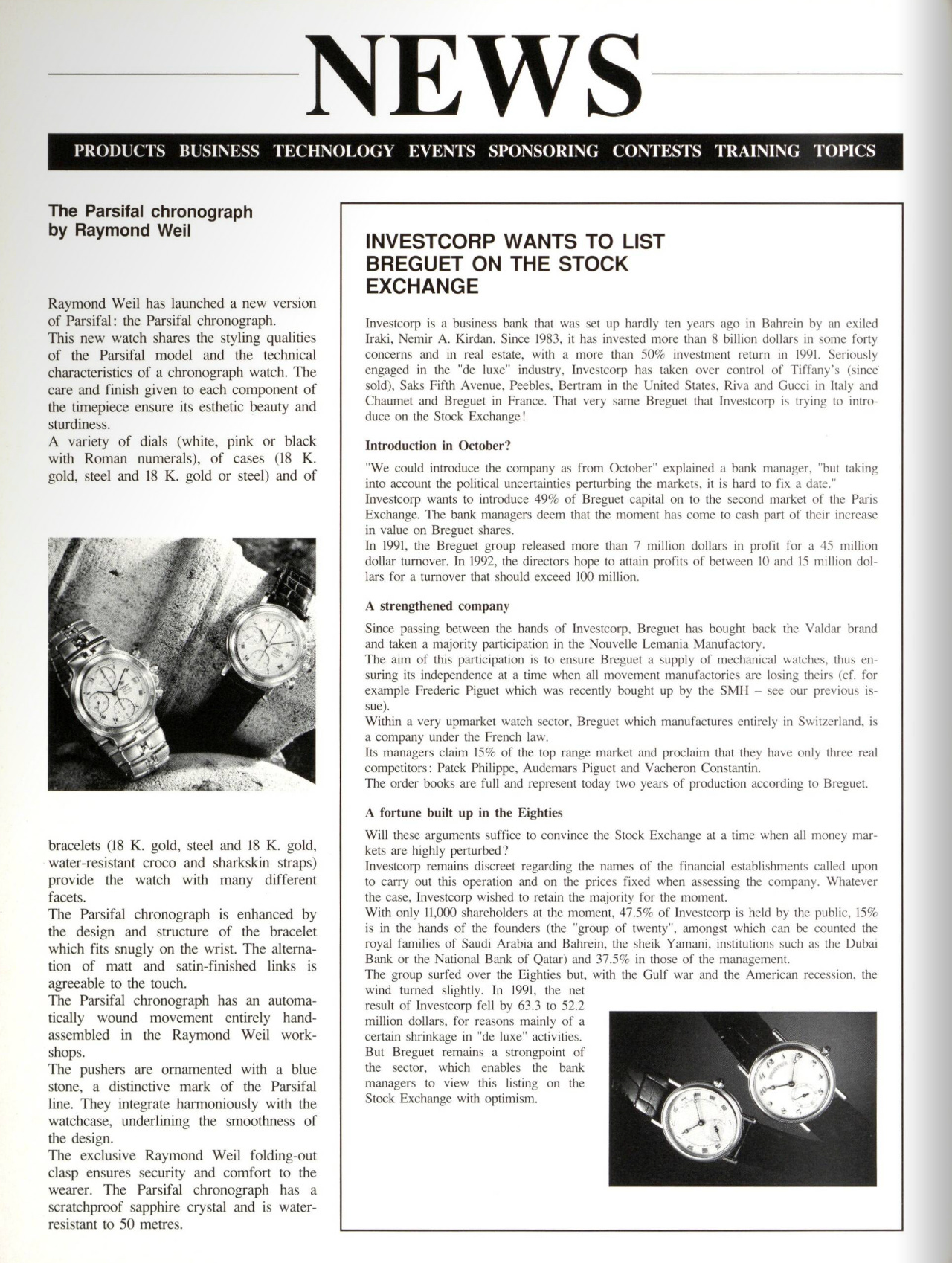
Investcorp didn’t float Breguet. Instead they continued to work through the private equity playbook – rationalizing production, cleaning up product lines and more – to make the balance sheet look healthier.
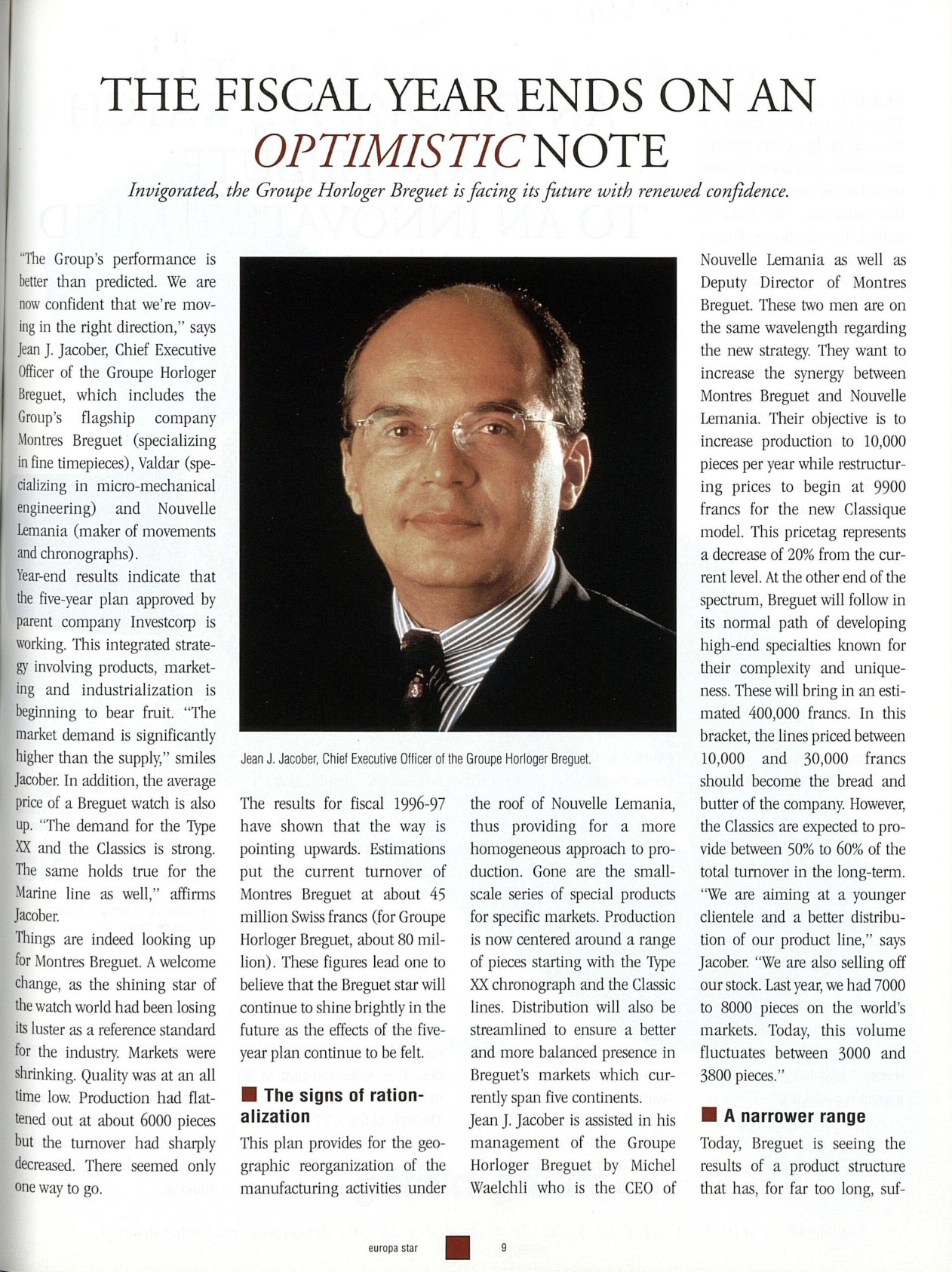
Investcorp’s stewardship of Breguet is not always remembered fondly for these reasons. In a 2018 article for Hodinkee, Joe Thompson (known by some as “the last honest editor in New York” according to Jack Forster) wrote:
“Investcorp had trashed Breguet. They marketed it as a sport watch: 80% of its advertising was for the Type XX chronograph, a pilots’ watch introduced in the 1950s. And they moved a lot of merchandise through gray market channels.”
Investcorp continued to look for an exit, remaining in control of Groupe Horologer Breguet until 1999 when a suitable buyer was found: the Swatch Group.
Swatch Switch
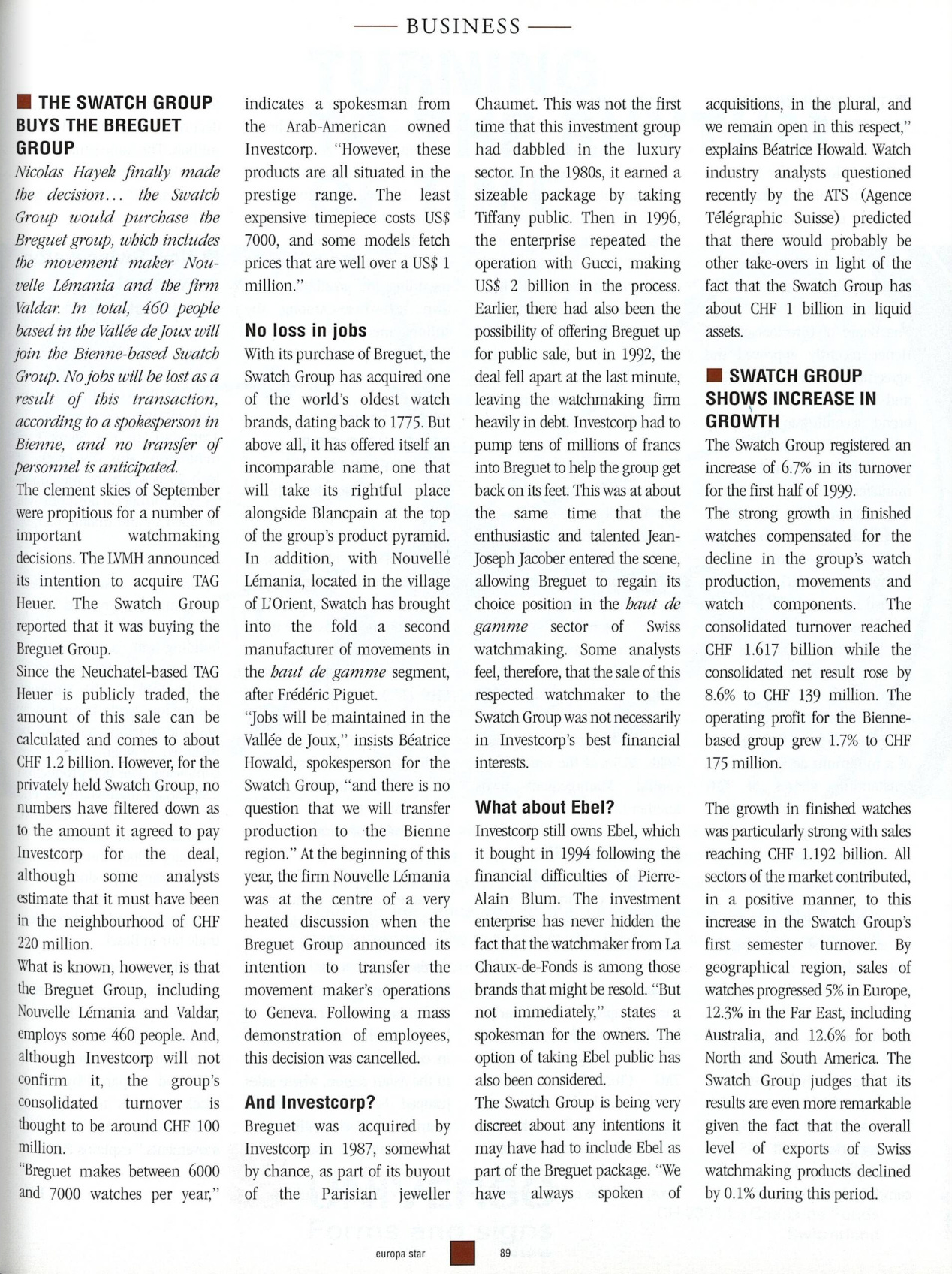
There’s persistent industry lore that suggests Nicolas G. Hayek, Swatch Group Chairman at the time, was trying to buy Breguet in 1992 but couldn’t – so bought Blancpain instead.
According to Grail Watch in its article on Chaumet’s downfall:
“It is often said that Hayek would have preferred owning the Breguet name but could not reach an agreement with Investcorp and went for Jean-Claude Biver’s Blancpain instead.”
That seems somewhat plausible based on the knowledge that Investcorp was exploring floating the company that year.
In Joe Thompson’s Hodinkee article, he suggests it wasn’t actually Breguet that Hayek wanted but Lemania:
“In fact, according to Swatch Group scuttlebutt, what Hayek really wanted was not Breguet, but Nouvelle Lemania, the Vallée de Joux movement producer, which was part of the Breguet Group and made the movements for the Omega moon watch. Hayek’s goal was to lock in that crucial source of supplies for Omega. When I asked Hayek about it, he hesitated slightly and said “I wanted both Lemania and Breguet.”
Again, this seems plausible. Investcorp acquired Lemania in 1992 – the year Hayek bought Blancpain for his group and was supposedly enquiring about Breguet.
Whether it was really Lemania or Breguet Hayek wanted, he invested a reported 20 million Swiss francs in Breguet and Lemania (soon to be renamed Manufacture Breguet) over the next few years, bringing in new machines, software, materials and master watchmakers – an investment that eventually leads to the development of the Tradition.
Breguet Bounces Back
Swatch Group’s investment in talent and technology soon starts paying off for Breguet.
We can see this clearly in the number of patent applications that start getting submitted by the company in the early 2000s.
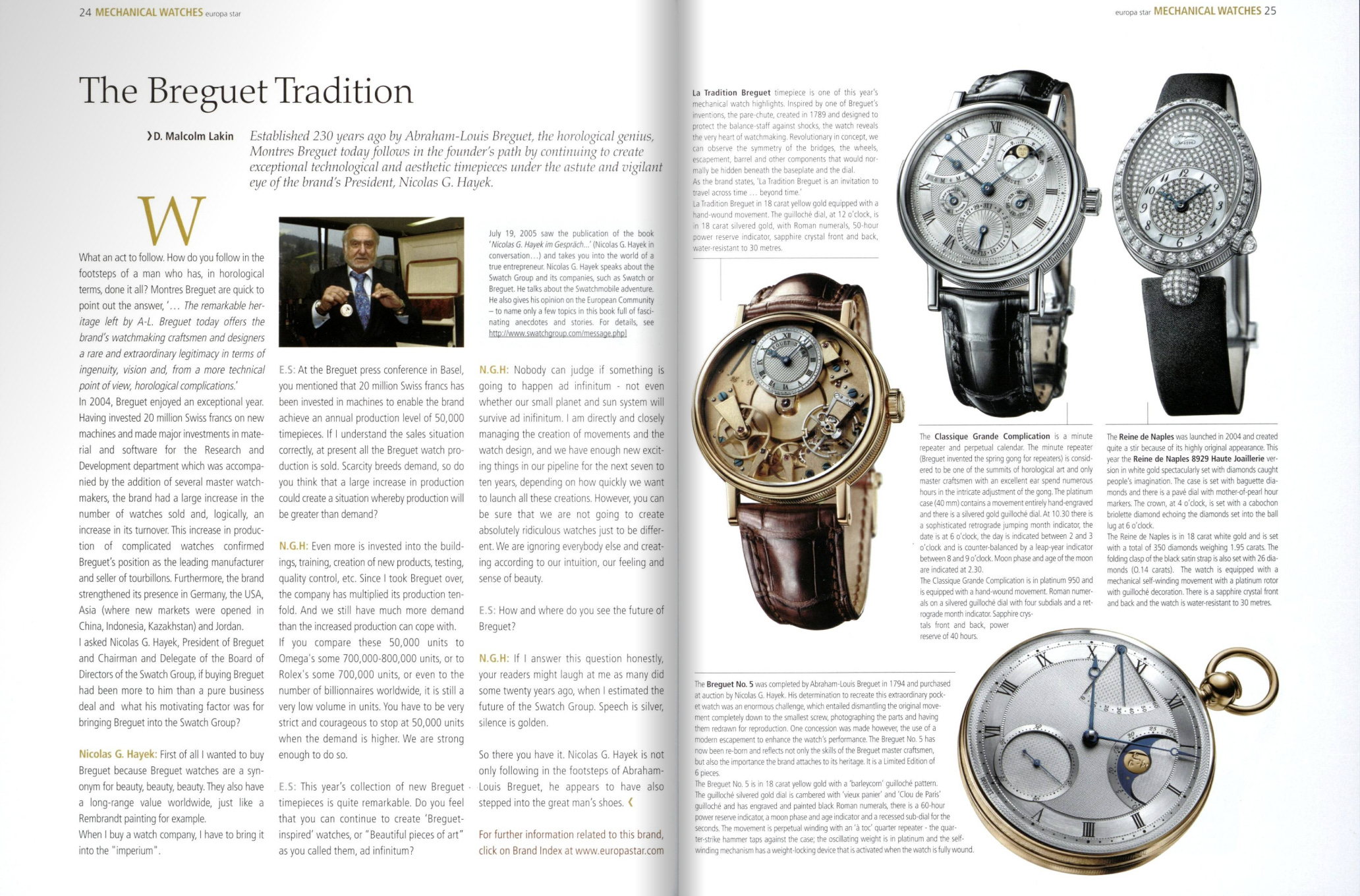
In 2003, a patent application is submitted – by Lemania – for a timepiece with oblong shaped case. That patent application was for the Reine de Naples, a collection that appeared in 2002 and was inspired by the first watch designed to be worn on the wrist, originally created by Abraham Louis Breguet for Caroline Murat, Queen of Naples, in 1810.
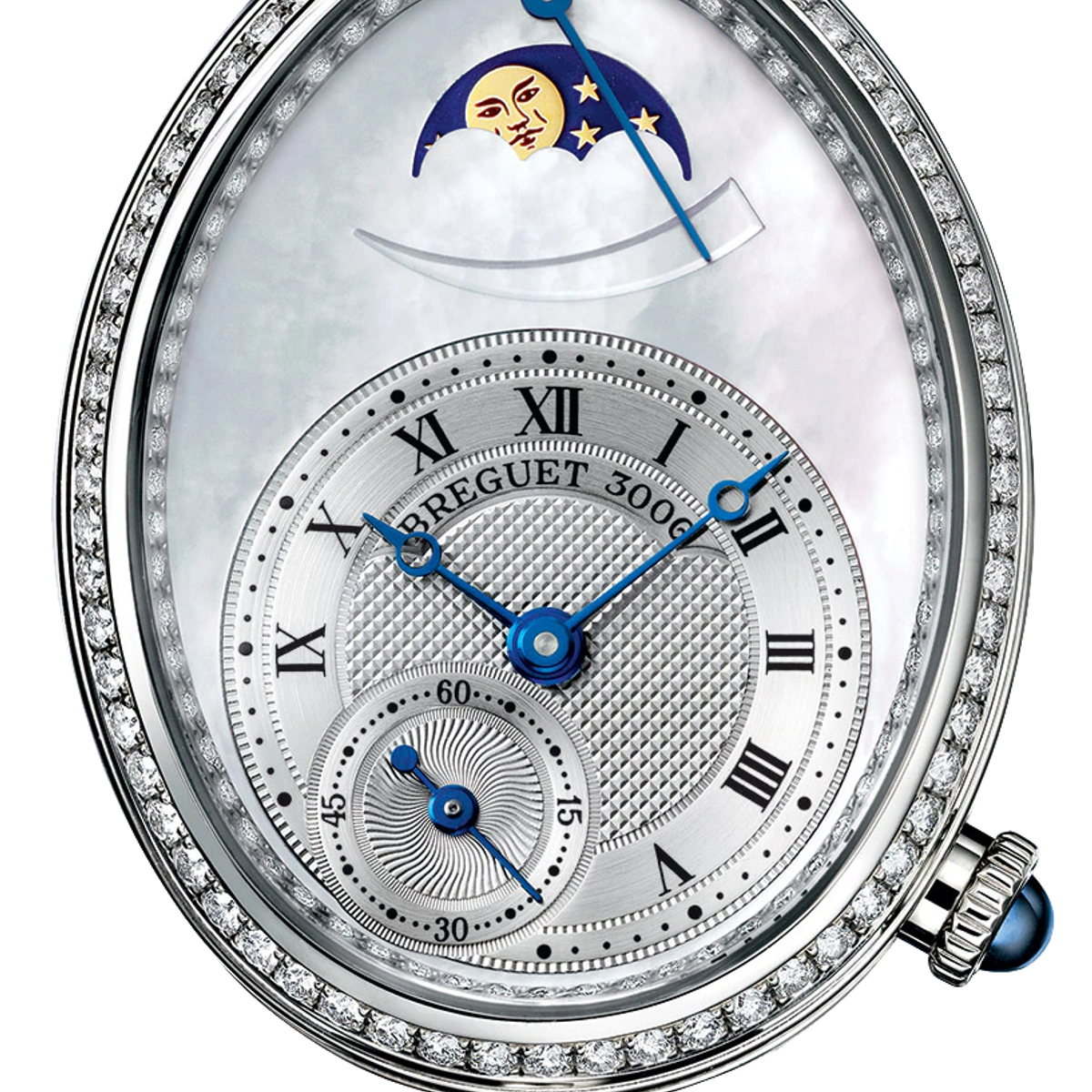
Here we see a modern, reinvigorated Breguet combining the Daniel Roth playbook with Breguet’s legacy of innovation: looking back to create something entirely new.
In 2006 – remembering that patent applications are often submitted after the fact – Montres Breguet (rather than Lemania this time) applies for a patent for an anti-shock device for a balance journal and a timepiece movement equipped with this device. This submission is for the para-chute shock absorber that is the centrepiece of the Tradition’s design – and a system that Abraham Louis Breguet invented.
A New Tradition
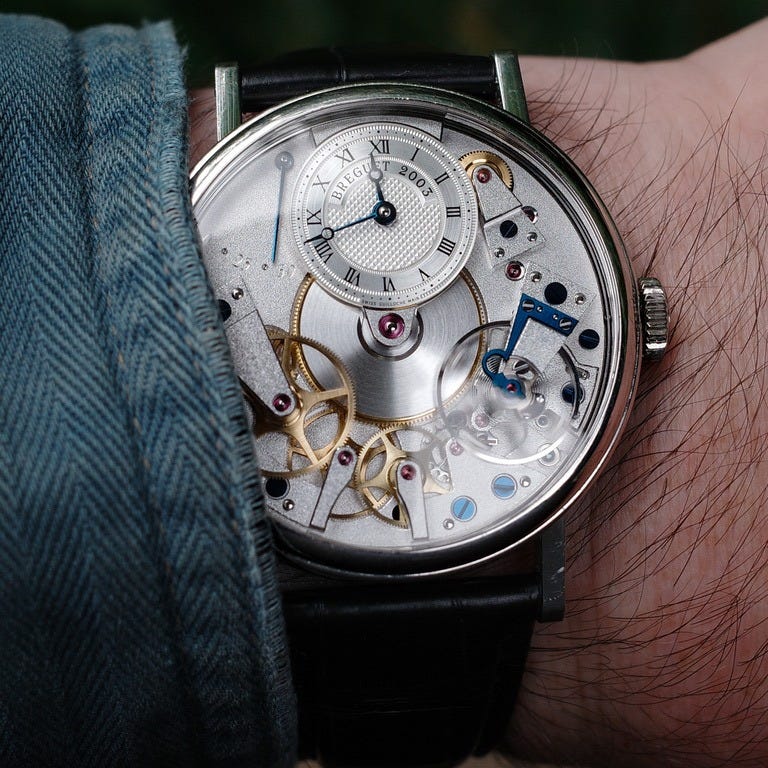
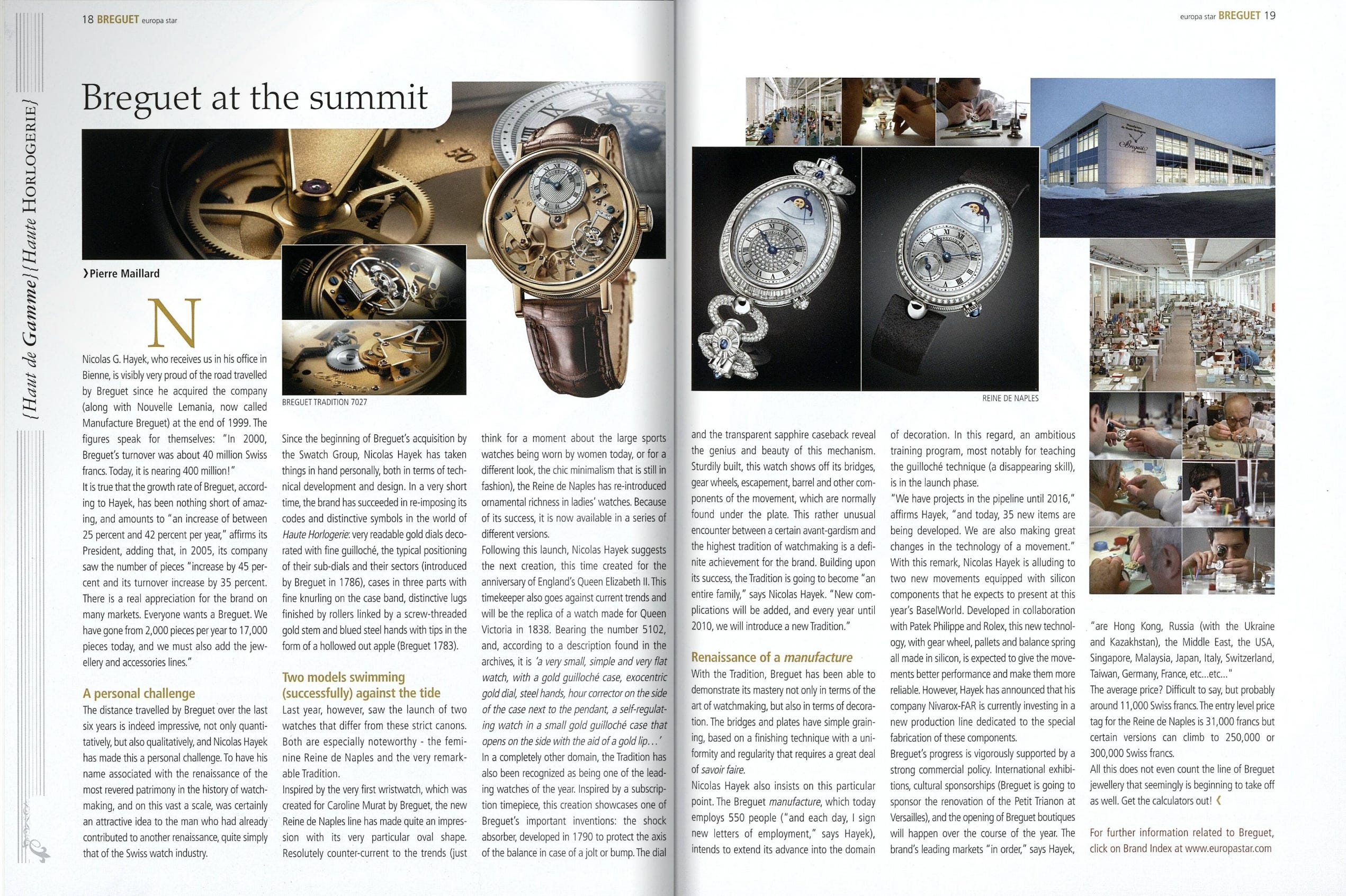
The first Tradition model, the manually wound Classique La Tradition ref. 7027, launched in 2005.
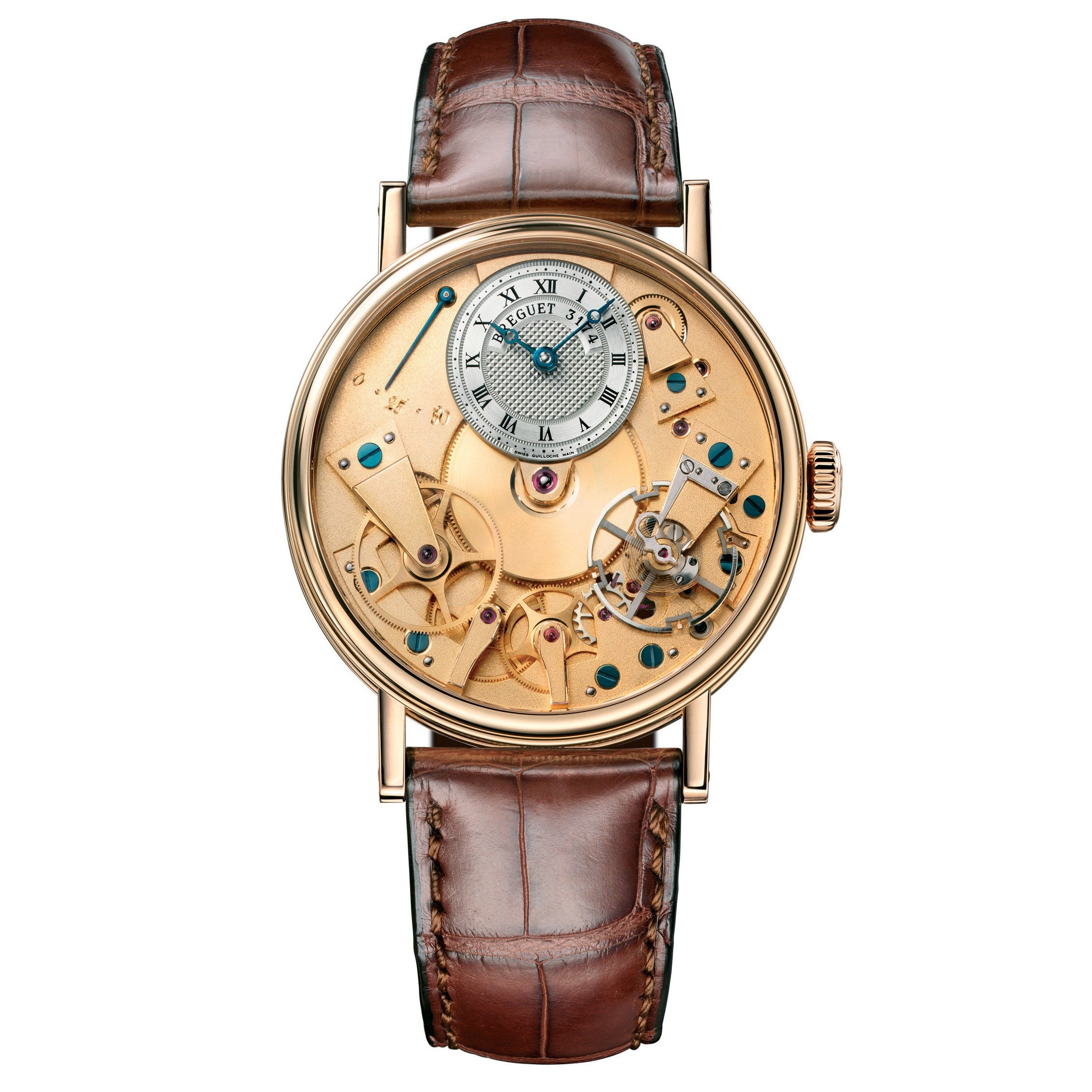
Its design is inspired by Abraham Louis Breguet’s Souscription and Montres à Tact pocket watches. Cheryl Chia’s piece for Revolution does a good job of explaining these origins.
It was released to much critical acclaim, winning the GPHG Special Jury Prize in the year of its release. In 2025, of course, another watch inspired by the Souscription models of the past, the Classique Souscription 2025, won the Aiguille d’Or. Which is almost too neat. Conspiracy theorists have at it.
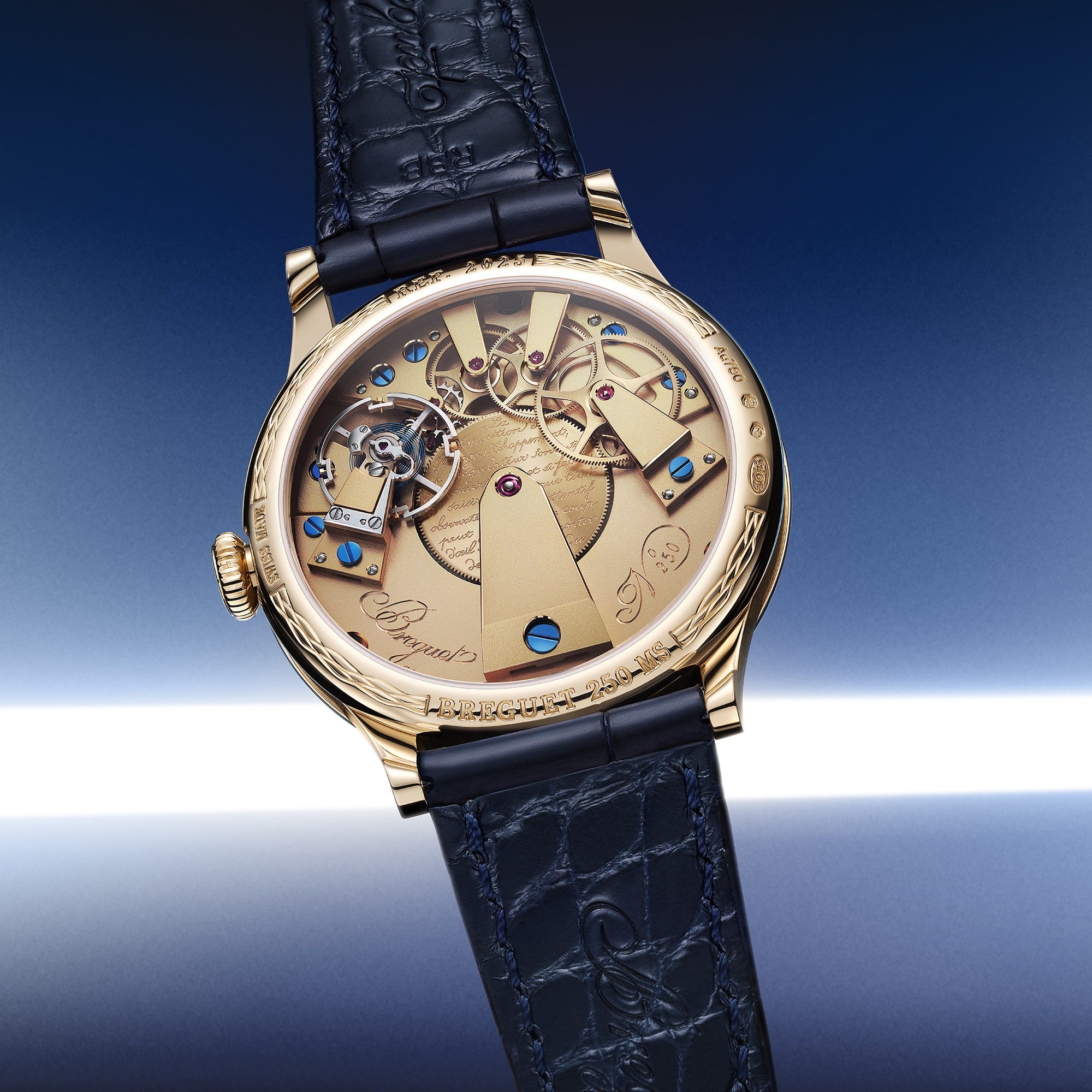
The description of the Tradition in the GPHG archives says (translated from French):
“La Tradition Breguet features a new movement, entirely designed, developed, and produced by the Breguet Manufacture.”
Breguet Manufacture here means the artist formerly known as Lemania – and that’s why it’s important to understand how and why Lemania ended up with Breguet when it comes to the Tradition. Because Lemania created it.
But are there any individuals to be credited with the Tradition’s development?
Breguet the brand of course would surely prefer that Abraham Louis Breguet would be that individual given its inspiration.
Because in the late 90s and early 2000s we were entering a world of increased corporate saviness where the big watch brands realised that having high-profile superstar watchmakers potentially came with more risk than reward. Because those watchmakers could do a Roth and go off and start their own thing, potentially devaluing the watchmaking of the company they leave behind. And in the case of Breguet, devaluing the achievements of its founder.
Swatch Group spoke of bringing onboard master watchmaker talent after its acquisition of Breguet – it seems likely that it was one of these watchmakers that deserves some credit for the Tradition.
Alain Zaugg is named as an inventor on the para-chute patent application for the Tradition – and on many other patent applications. Both for Breguet and his previous employer, Frédéric Piguet. Frédéric Piguet of course being Blancpain’s manufacturer.
There’s not much information out there about Mr Zaugg; his name comes up occasionally in articles related to Breguet technology where he is positioned as head of Breguet’s technical department. What we do know is that he joined Breguet from Frédéric Piguet, where he was a watchmaker, in the early 2000s. Along with his name being on the patent application, it seems likely he had at least a hand in the development of the Tradition.
Collectors Cotton On
There have been many Tradition references released since 2005. Many of these are mechanically and aesthetically very compelling propositions, but I’ve observed more recent collector interest in the simpler, earlier references – particularly the 7027 in its goldilocks 37mm case diameter.
Justin Hast of The Enthusiasts speaks to this growing interest in a video he did for Subdial in June 2025.
It’s the only modern Breguet featured in Tony Traina’s Complete Guide to Breguet Watch Collecting for Sotheby’s.
It feels like there has been a reappraisal of, and resurgence of interest in, the 7027.
That reappraisal may have influenced the Tradition model Breguet launched in 2025.
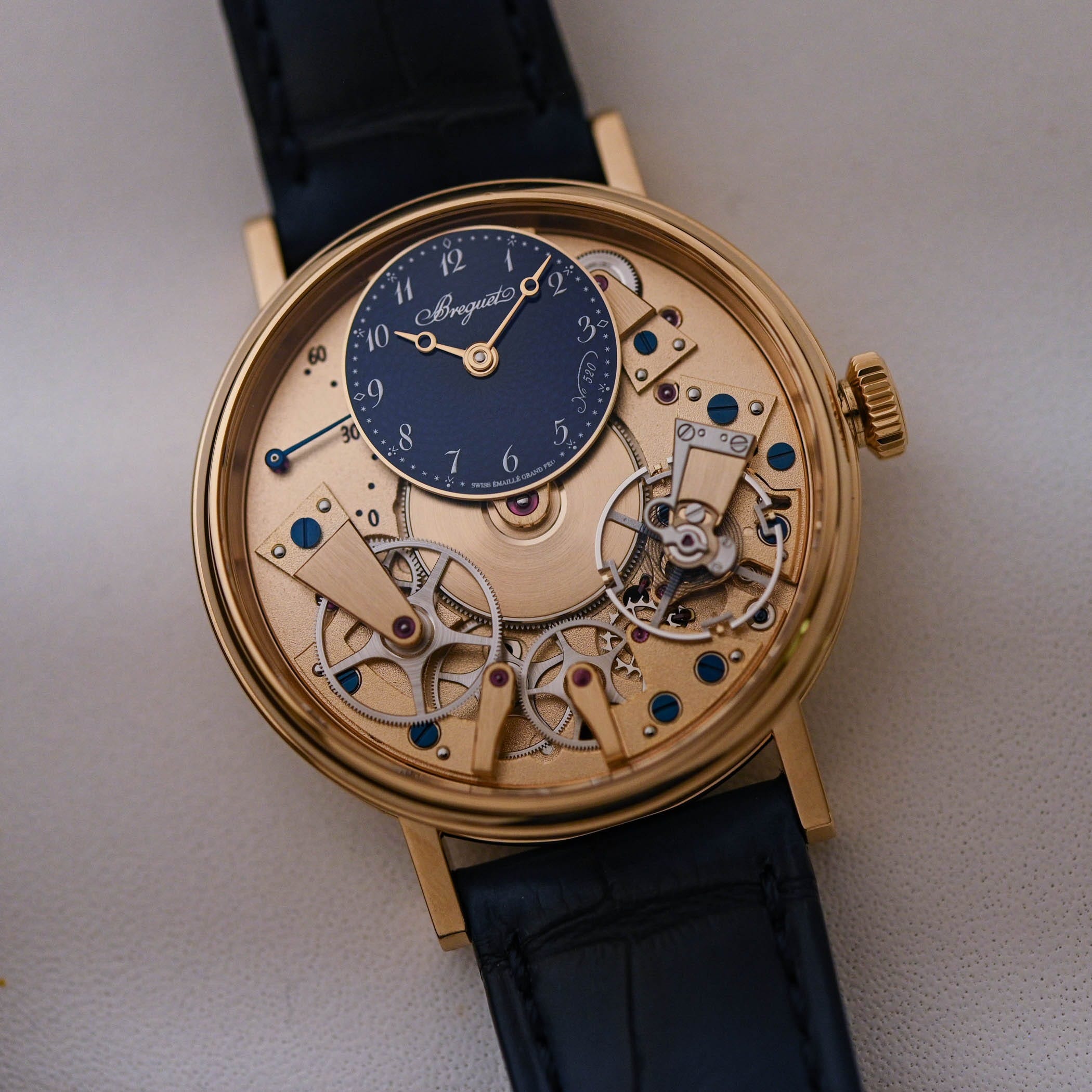
The Tradition Seconde Rétrograde 7035 sees a return to a smaller case size (38mm) and a design language that is more in line with the earlier references (the 7027 and the automatic 7037) than those we’ve seen in recent years.
A Lasting Legacy
Beyond being a watch that is increasingly garnering collector interest, there’s an interesting thread to pull at when it comes to the Tradition.
And that thread is its influence on modern high-end watch design.
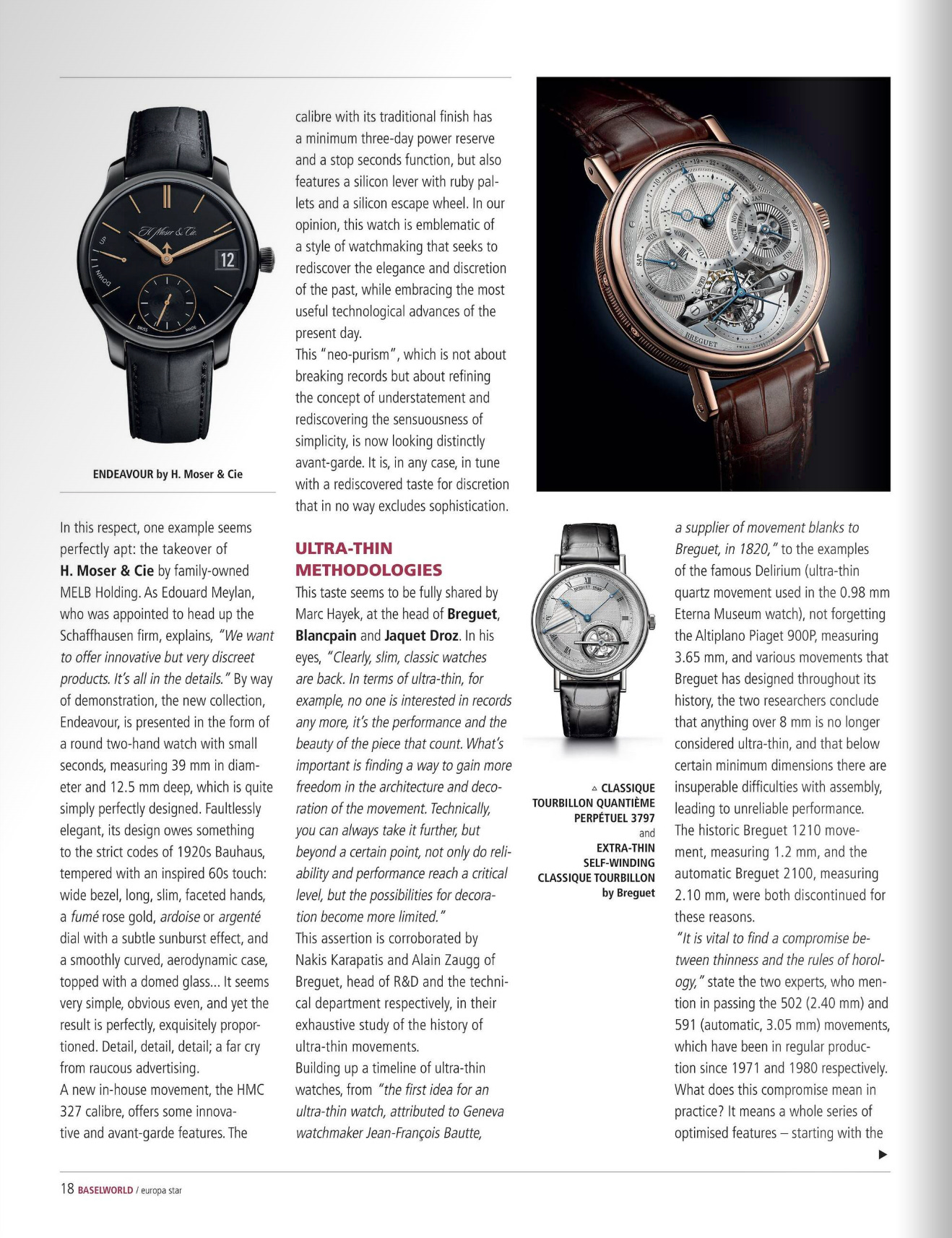
In a 2006 Europa Star article on innovation in watchmaking, Pierre Maillard writes:
“Timepiece styling is undergoing profound changes, and a striking illustration is the ‘tri-dimensionality’ design inaugurated by the aptly named ‘Tradition’ model by Breguet.”
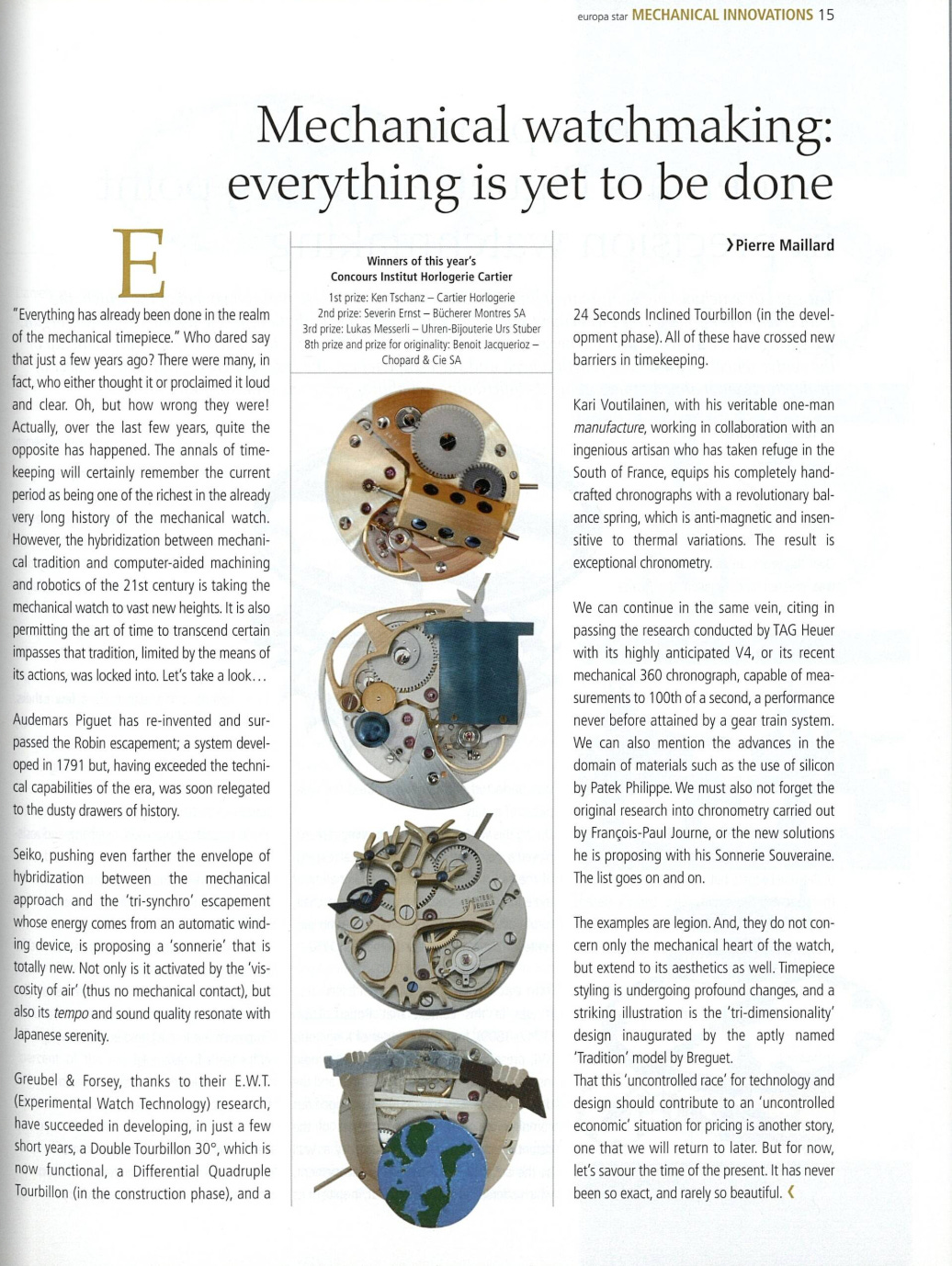
In a different Europa Star article from the same year (Issue #277), Maillard also writes:
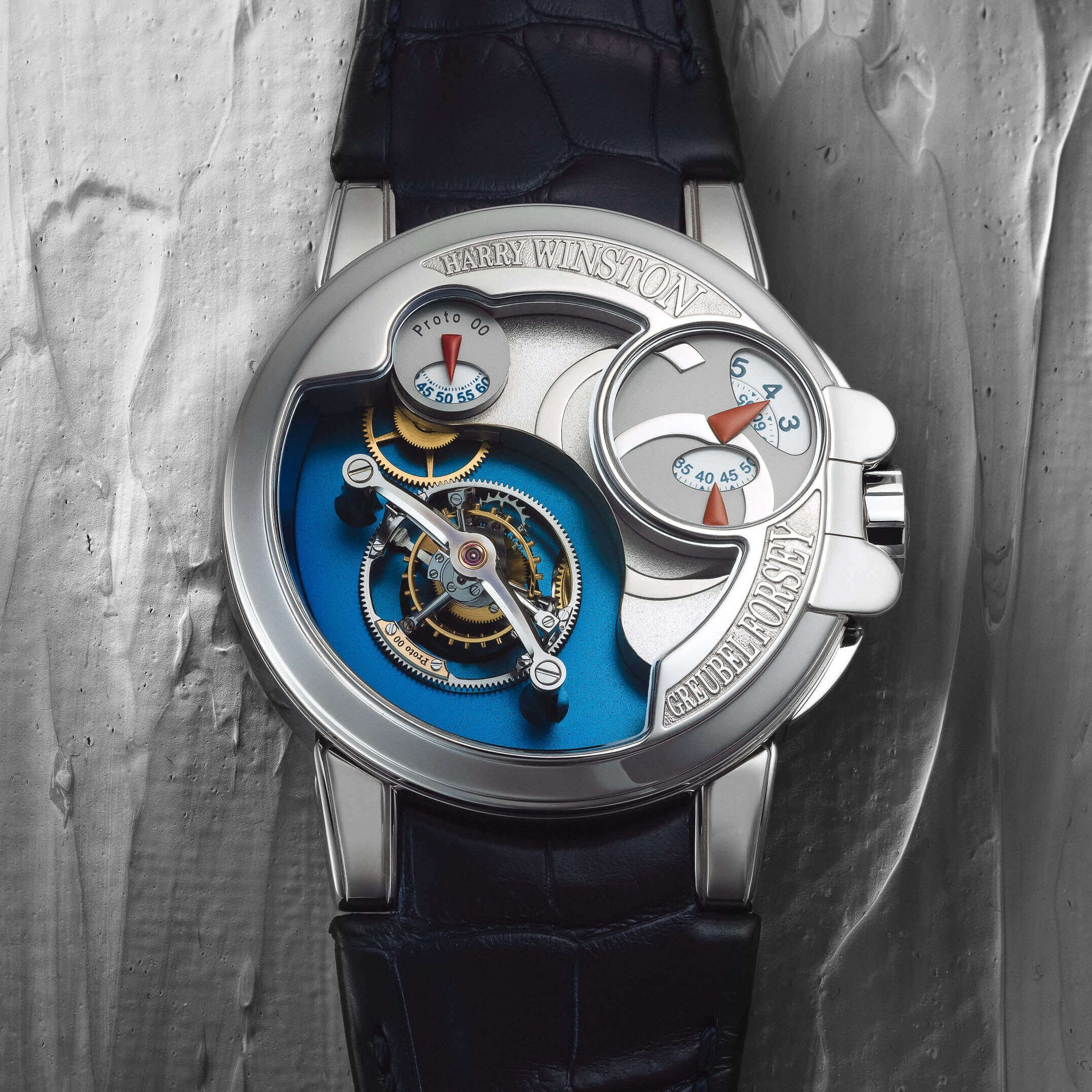
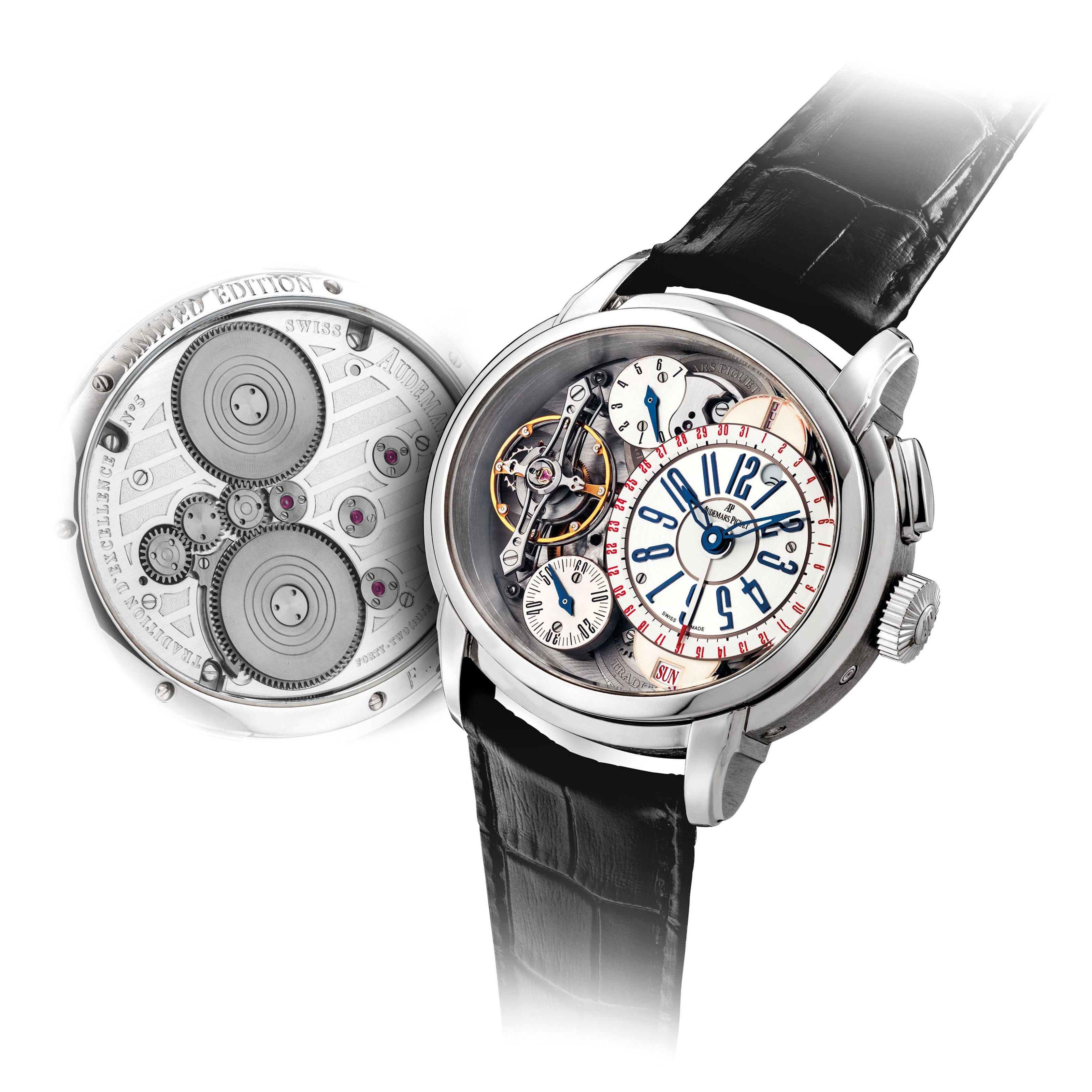
“As seen in the Greubel Forsey example, this watch has a three-dimensional architecture, giving it a striking appearance that is both ultra-contemporary and very traditional (note: to render unto Caesar the things which are Caesar’s, this new trend towards three-dimensional architecture was initiated in the Tradition by Breguet).”
He is writing here about the Harry Winston x Greubel Forsey Opus 6 and Audemars Piguet’s Tradition of Excellence Cabinet No 5, both released in 2006.
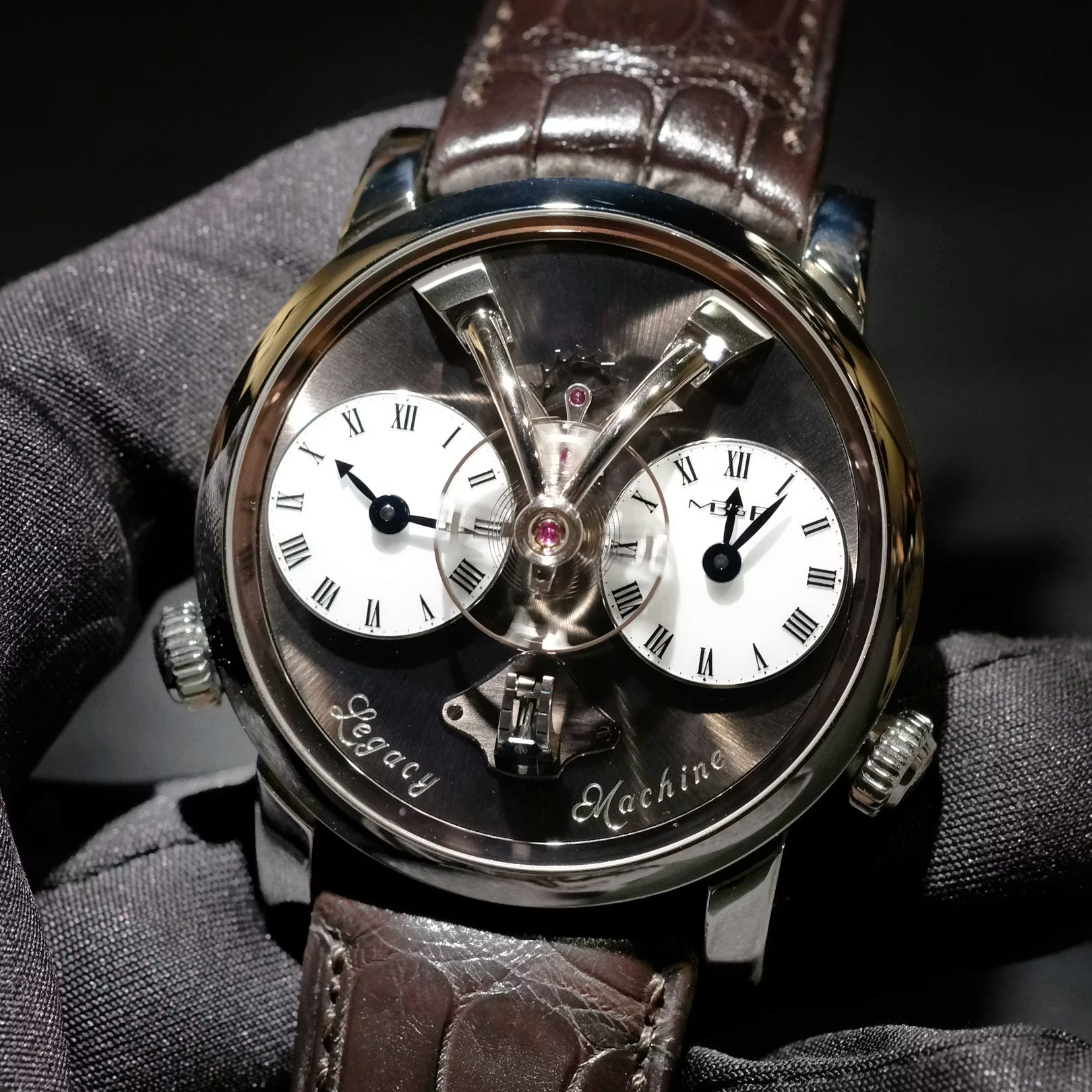
The person behind the Opus series was of course former Harry Winston CEO Maximilian Büsser, who went on to found MB&F in 2005. In 2011, MB&F unveiled the Legacy Machine No. 1 and it’s hard not to see design choices that bear some comparison to the Tradition.
The original Tradition is not a particularly complicated watch in the watchmaking sense of the word sense given it only has one complication, a power reserve indicator, which some people don’t think even qualifies as a complication.
But what it does display, alongside its open architecture and radically-rearranged gear train, is a range of hand-finishing techniques.
The discussion around the fetishisation of hand-finishing seemed to reach fever point in 2025, a topic summarised well by kingflum in The Hand-Finishing Fairy Tale.
There’s an argument to be made that the watch that sharpened collectors’ focus on finishing over complicated watchmaking was Philippe Dufour’s Simplicity when it was released in the year 2000.
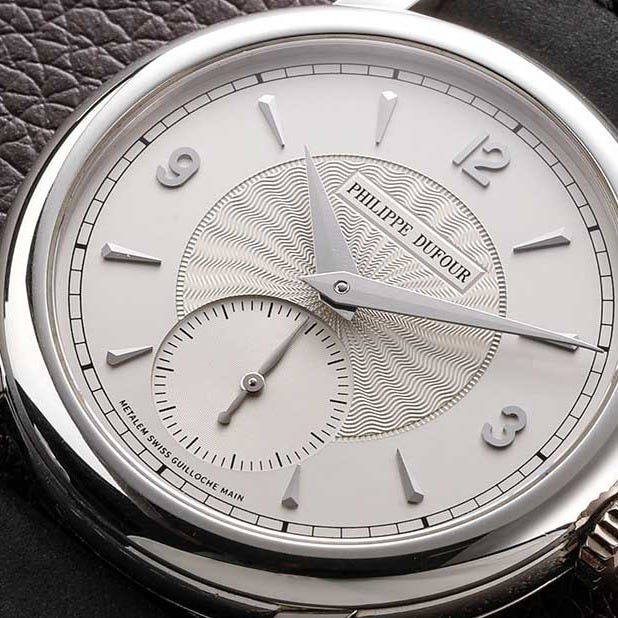
A quote attributed to Dufour – often traced to a now-lost “VIW” (Vintage Inspired Watches?) interview – suggests he admired the Tradition. I have hunted for that original article without success. There exists only an incomplete screenshot as far as I can tell, which makes this claim hard to verify without dropping Dufour a line myself.
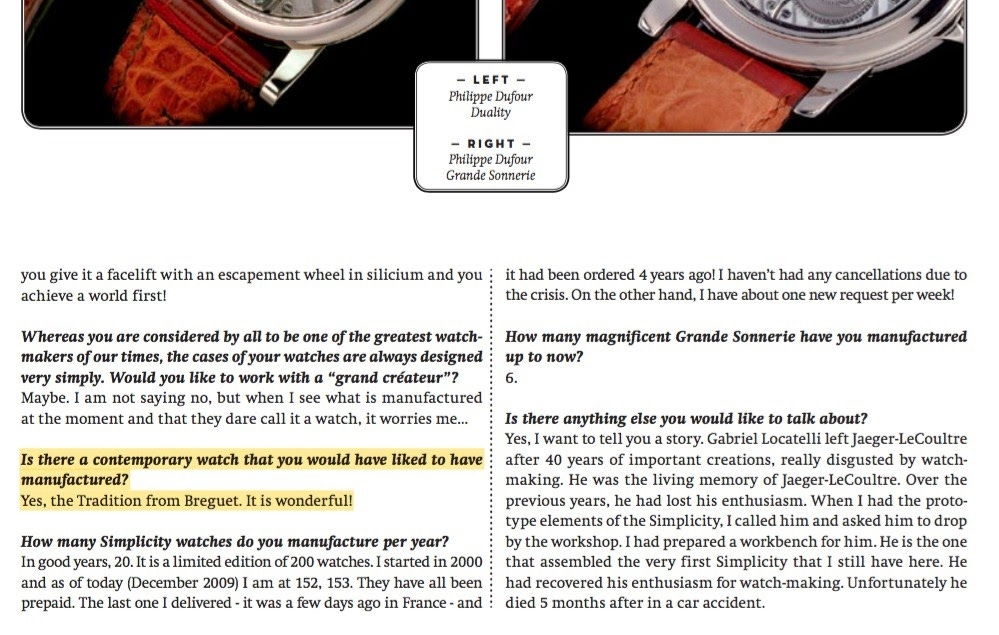
So did the Tradition really have the influence, particularly on the independent watchmakers that have emerged in recent years, that I’m suggesting here?
I would say that it’s plausible. Scan the competing watches the year the Breguet Tradition won a GPHG prize and you won’t see anything that looks like its design.
A counterpoint to that argument, however, might be that watches that did prominently display non-traditional gear train arrangements, such as the Corum Golden Bridge (1980) and the Ulysse Nardin Freak (2001), came before the Tradition.
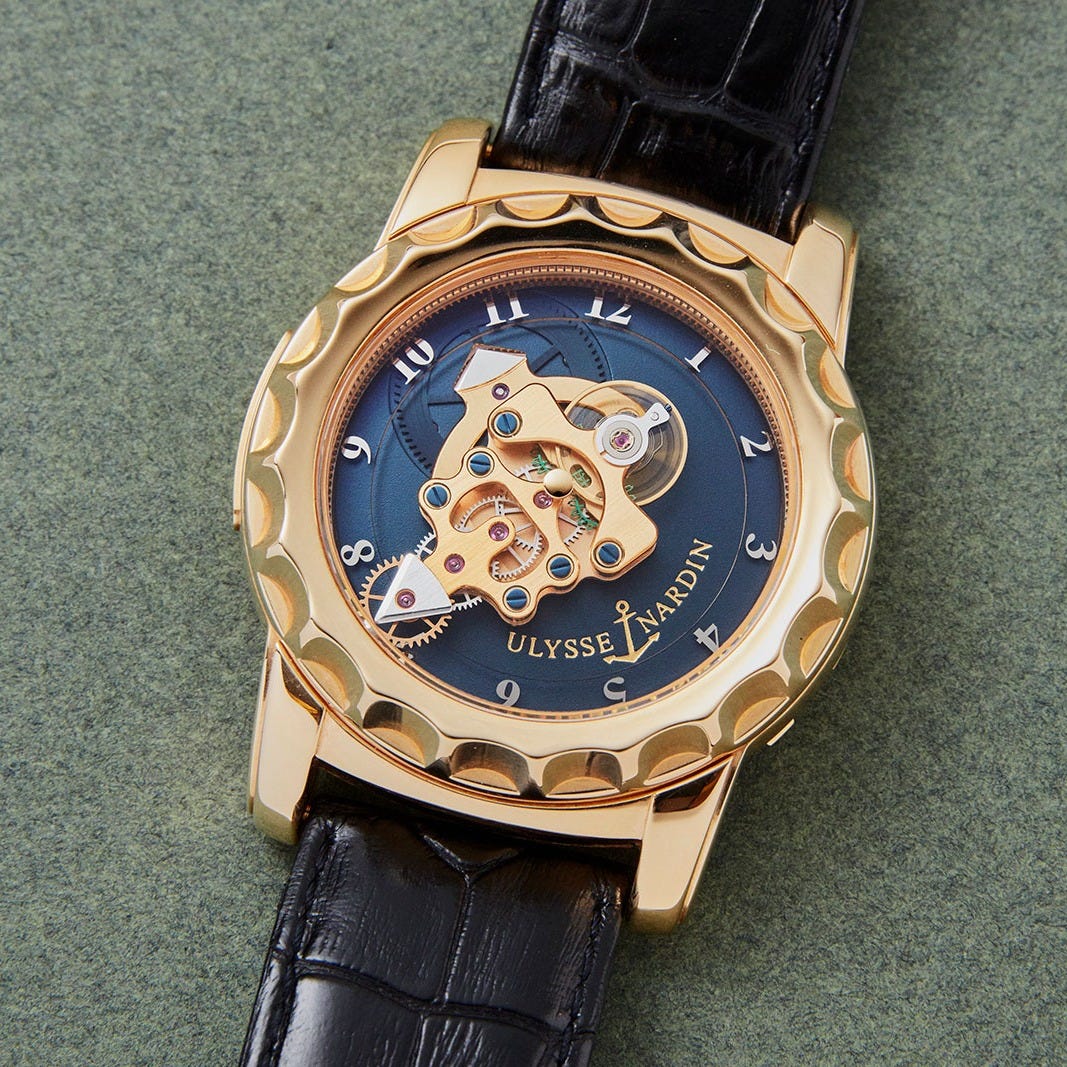
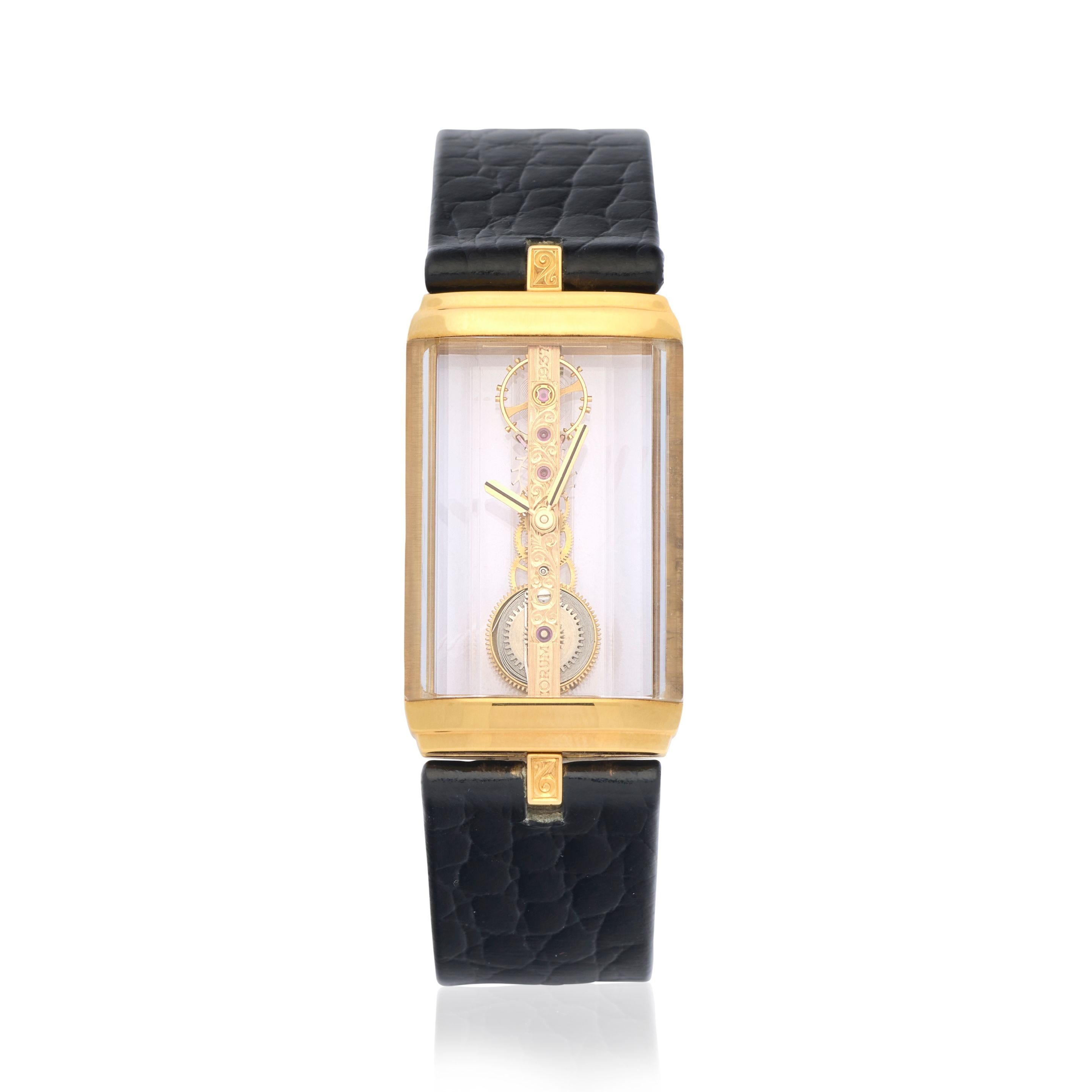
What I feel more comfortable asserting is that Breguet is being viewed very differently by media and collectors today than it was even a few years ago – and that the reappraisal of the Tradition is an important part of that story.
With thanks and gratitude to:
That Time I Wrote That ‘Swatch Group’ Was A Dumb Name, And What Happened Next by Joe Thompson [2018]
House of Chaumet: How 80s Greed Brought Down a Legendary Paris Firm by Stephen Foskett. [2021]
An Afternoon With Daniel Roth by Russell Sheldrake. [2022]
A Collector’s guide to Roth era Breguet by Tahoma Watches.
The Fine Print: Exploring Breguet in the Daniel Roth Era and Beyond by Logan Baker.
One Week With: Breguet Tourbillon 3350 by Tim Vaux.
The Complete Guide to Breguet Watch Collecting by Tony Traina. [2025]
The Breguet Tradition: A Modern Interpretation of 18th-Century Watchmaking by Cheryl Chia. [2025]
The Europa Star archives.
I was in the Brand Managers Meeting at Breguet in 2005 when the 7027 was first revealed internally. I can still remember the surprise and delight at something so audacious. And the horological joke of turning the watch over to see through the caseback, only to find there was almost nothing there.
Hayek was so chuffed with it that it replaced his Blancpain as one of the 4 watches he wore at the same time, alongside his 1801 tourbillon, Omega, and Swatch.
Being my home for over 6 years there are many many Breguets that I love, but the 7037BB with Perpetuelle-style winding rotor and the retrograde seconds is the stand-out favourite.
Fantastic summary. The backstory of Lemania in the Investcorp days and the switch by Ebel from El Primero to the Lemania 1340 with its development into Ebel's 137 and Breguet's 582 is a fascinating slice of history.
Phenomenal deep dive into the corporateballet behind the Tradition! Your point about Lemania being the hidden engine here really reframes the watch's significance beyond just aesthetic innovation. I've always wondered if the finishing-over-complication shift we see in collecting today traces back partly to watches like this making movement decoratio nmore visible and thus more fetishized. The parallel to Dufour's Simplicity feels spot on, even if unverifiable.